





Authorized Instrumentation Distributor Benefits
Authorized instrumentation distributor benefits include verified products, application support, and reliable sourcing for critical measurement systems.
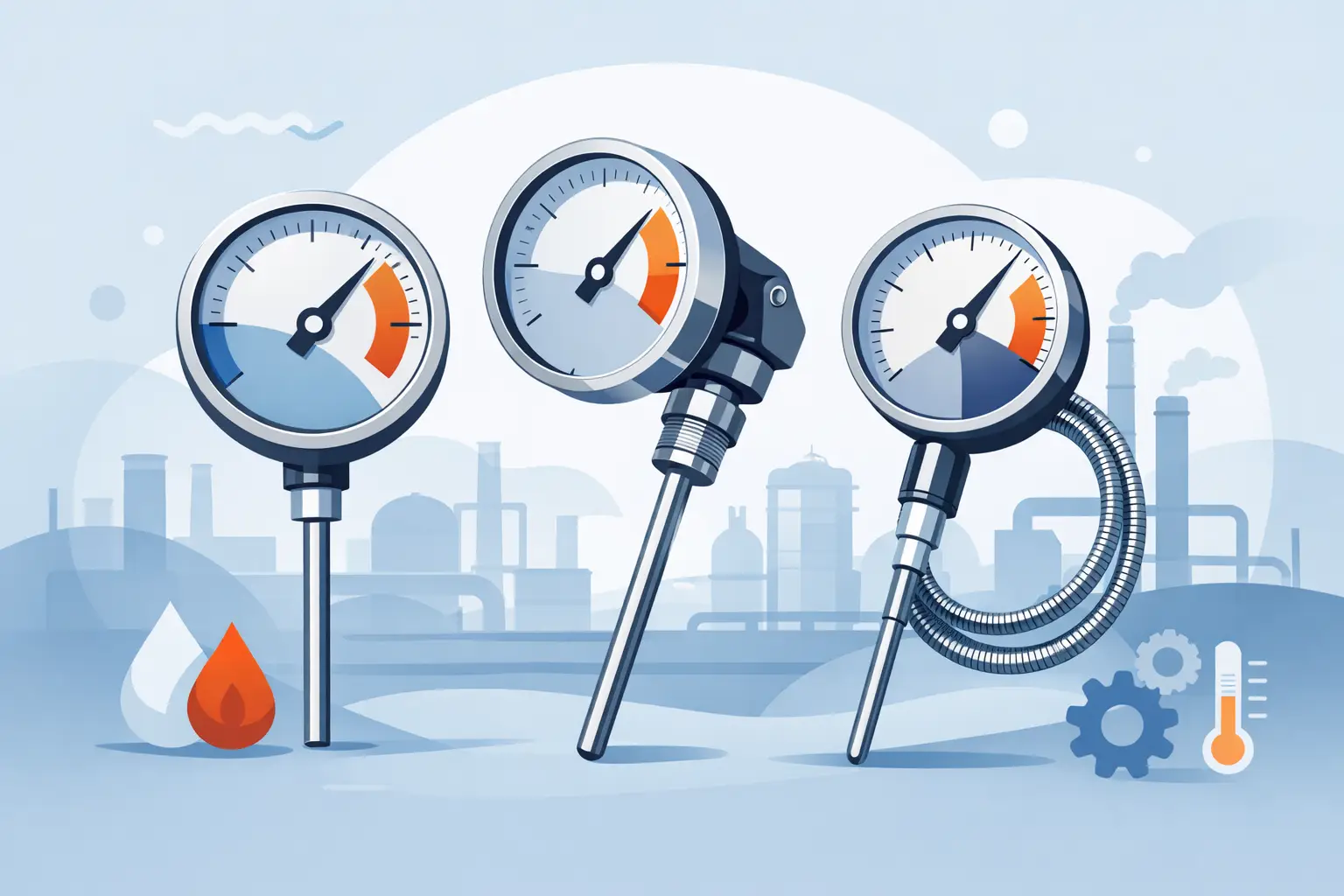
Industrial Bimetal Thermometer Selection Guide
Specify an industrial bimetal thermometer by matching stem length, connection, materials, temperature range, and installation conditions at the plant.
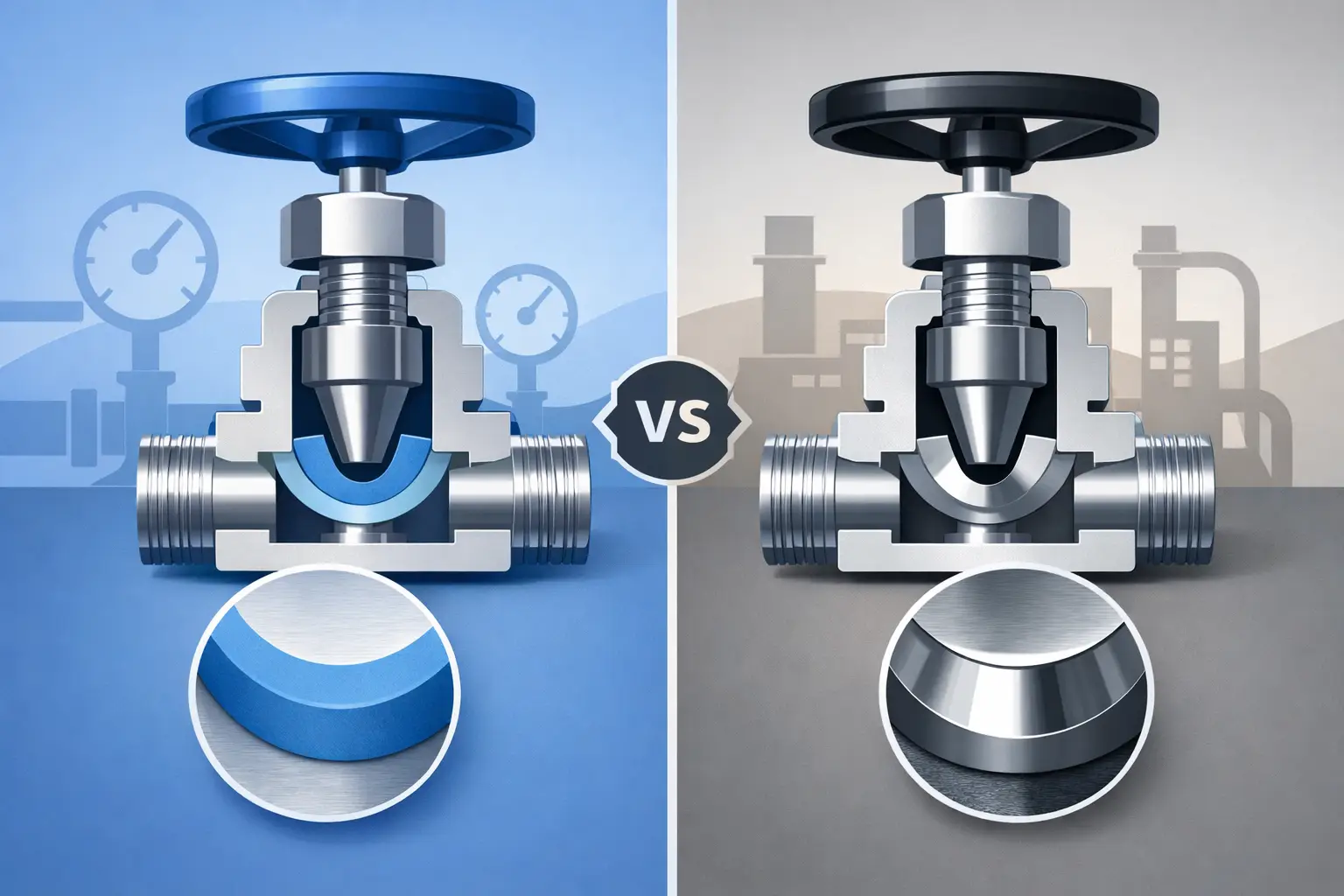
Soft Seat vs Hard Seat for Instrument Valves
Soft seat vs hard seat valves: compare sealing, media compatibility, temperature limits, cycling, and shutoff needs for instrumentation system design.

How to Match Transmitter Output Signals Correctly
Learn how to match transmitter output signals with PLCs, indicators, and control inputs by checking range, loop power, wiring, load, and isolation safely.
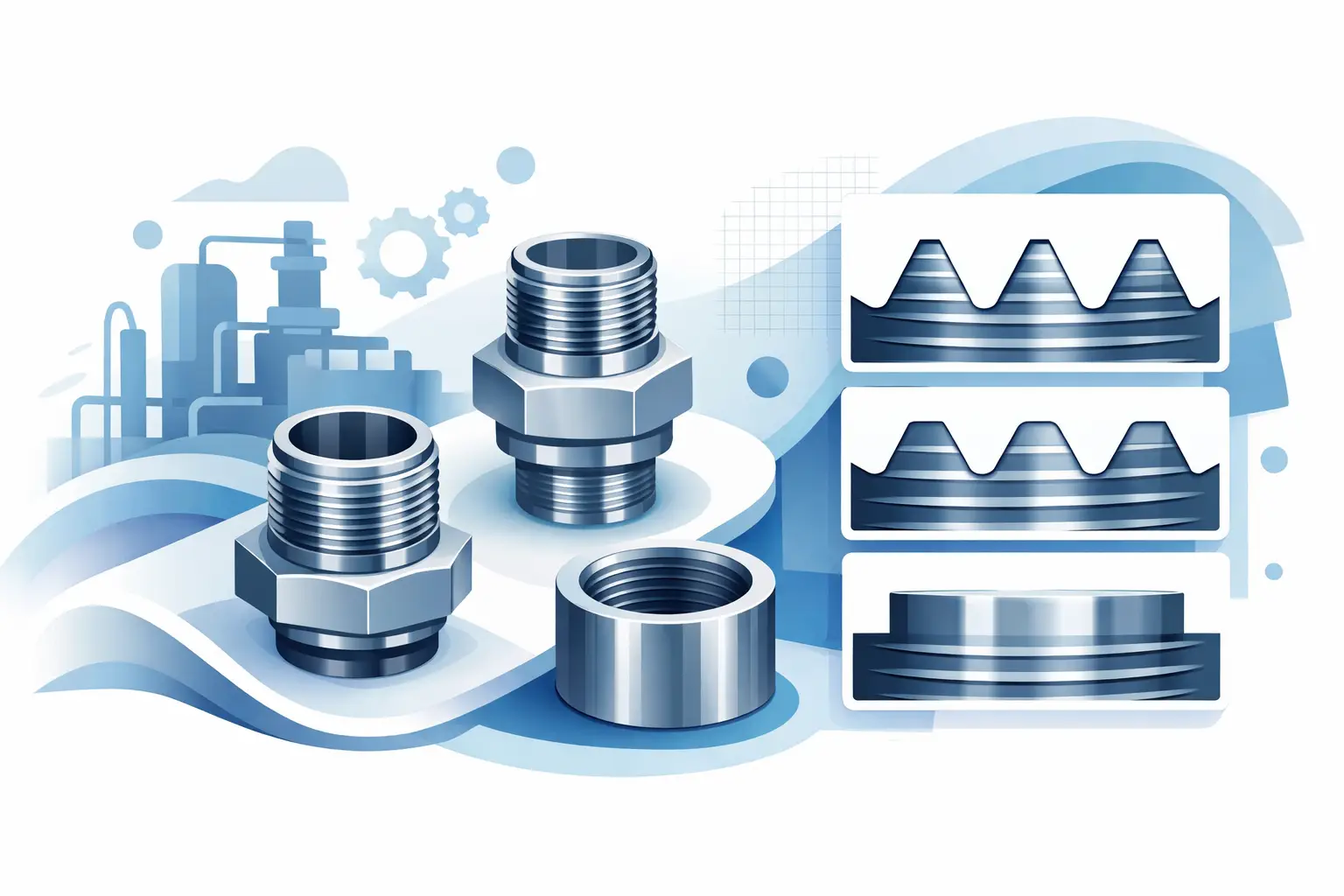
Process Connection Thread Standards Explained
Process connection thread standards affect fit, sealing, safety, and replacement accuracy. Learn how NPT, BSP, DIN, and sanitary threads differ in service.
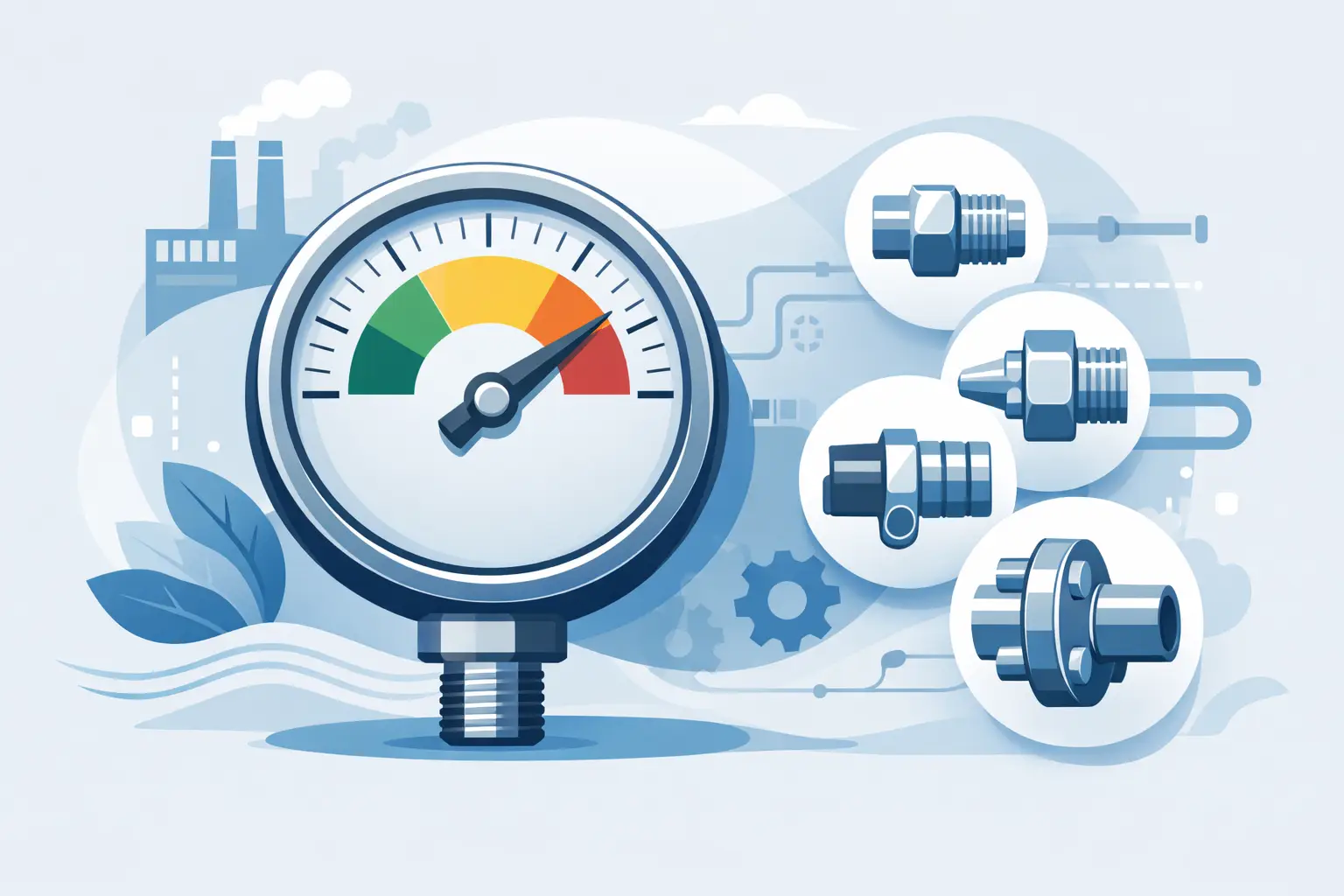
Pressure Gauge Connection Types Guide for Buyers
Use this pressure gauge connection types guide to match NPT, BSPP, BSPT, DIN and sanitary fittings to gauge mounting, media, and service conditions safely.
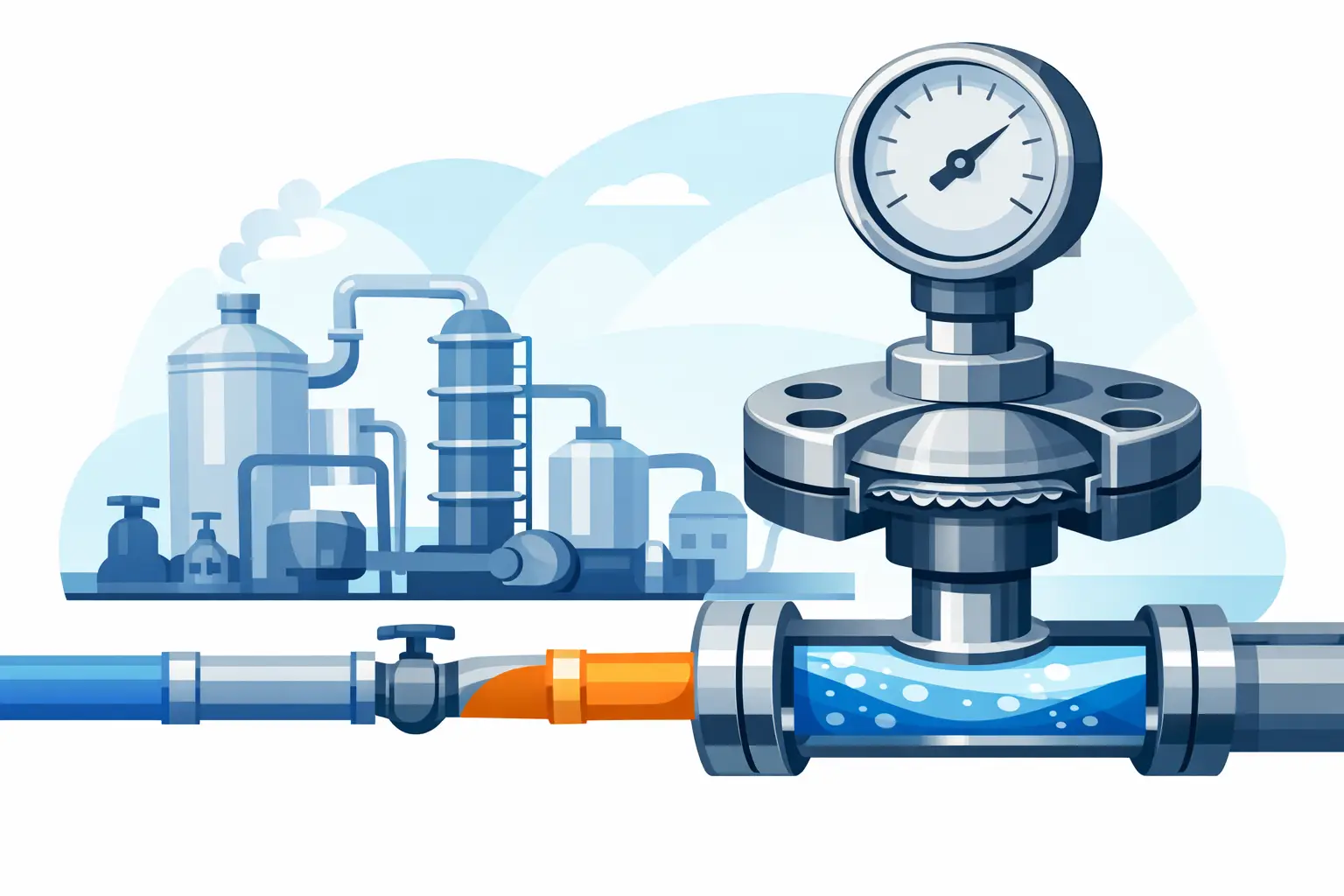
Why Use Diaphragm Seals in Process Systems?
Why use diaphragm seals? Learn when they protect gauges and transmitters from corrosive, viscous, sanitary, or high-temperature process media in service.
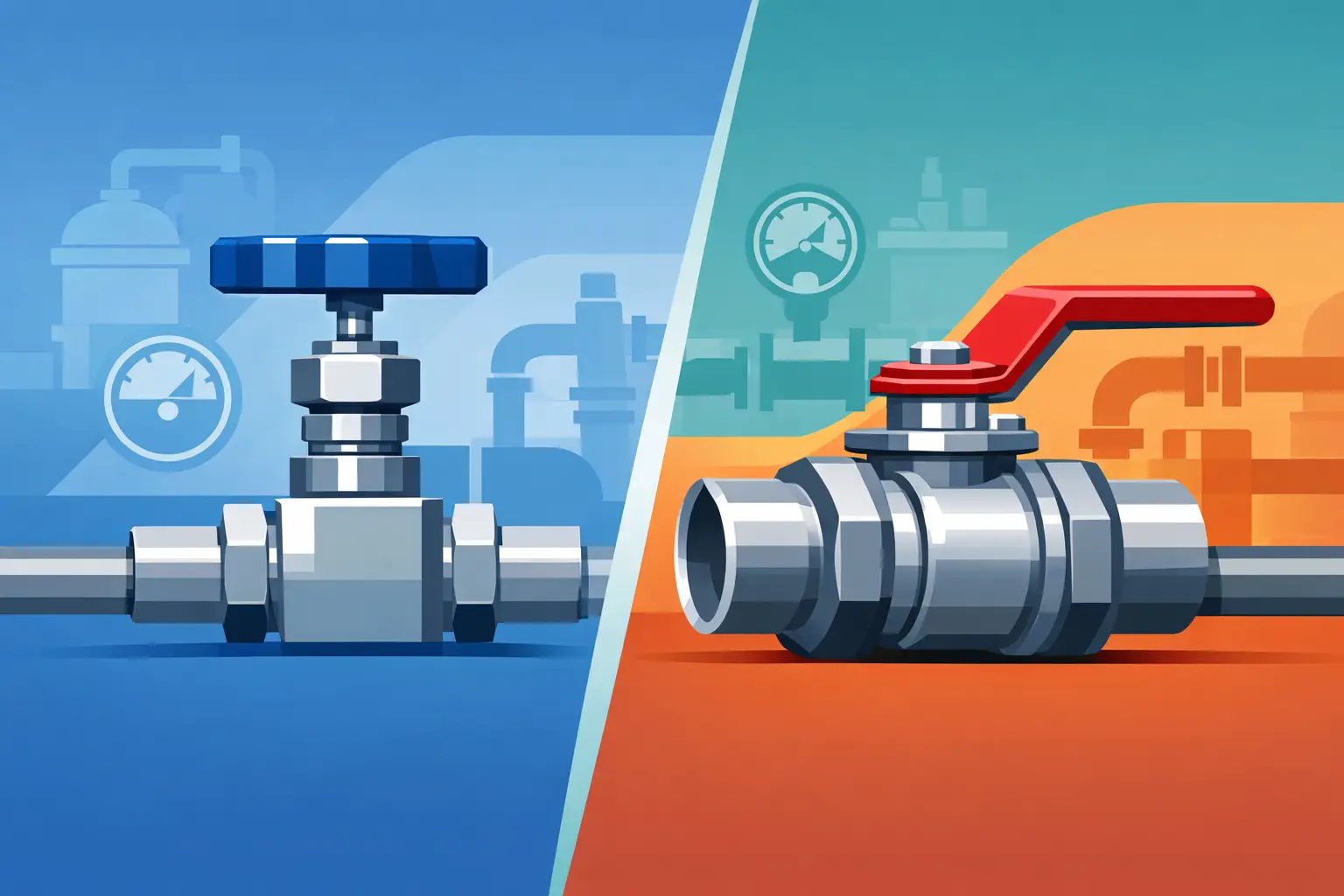
Needle Valve vs Ball Valve for Process Control
Compare needle valve vs ball valve performance, flow control, sealing, materials, and applications to specify the right instrumentation valve for system.

How to Size Diaphragm Seals for Process Duty
Learn how to size diaphragm seals by matching process pressure, temperature, wetted materials, fill fluid, instrument range, and connection geometry needs.

How to Select Gauge Connection Style Correctly
Learn how to select gauge connection style by matching thread standard, mounting location, material, pressure duty, and service access for installation.

How to Identify Gauge Thread Size Correctly
Learn how to identify gauge thread size by measuring diameter, pitch, and thread standard to specify compatible pressure gauge connections reliably on site.

Pressure Transmitter Output Signal Guide
Use this pressure transmitter output signal guide to match 4-20 mA, voltage, HART, and fieldbus outputs to controls, wiring, and application requirements.
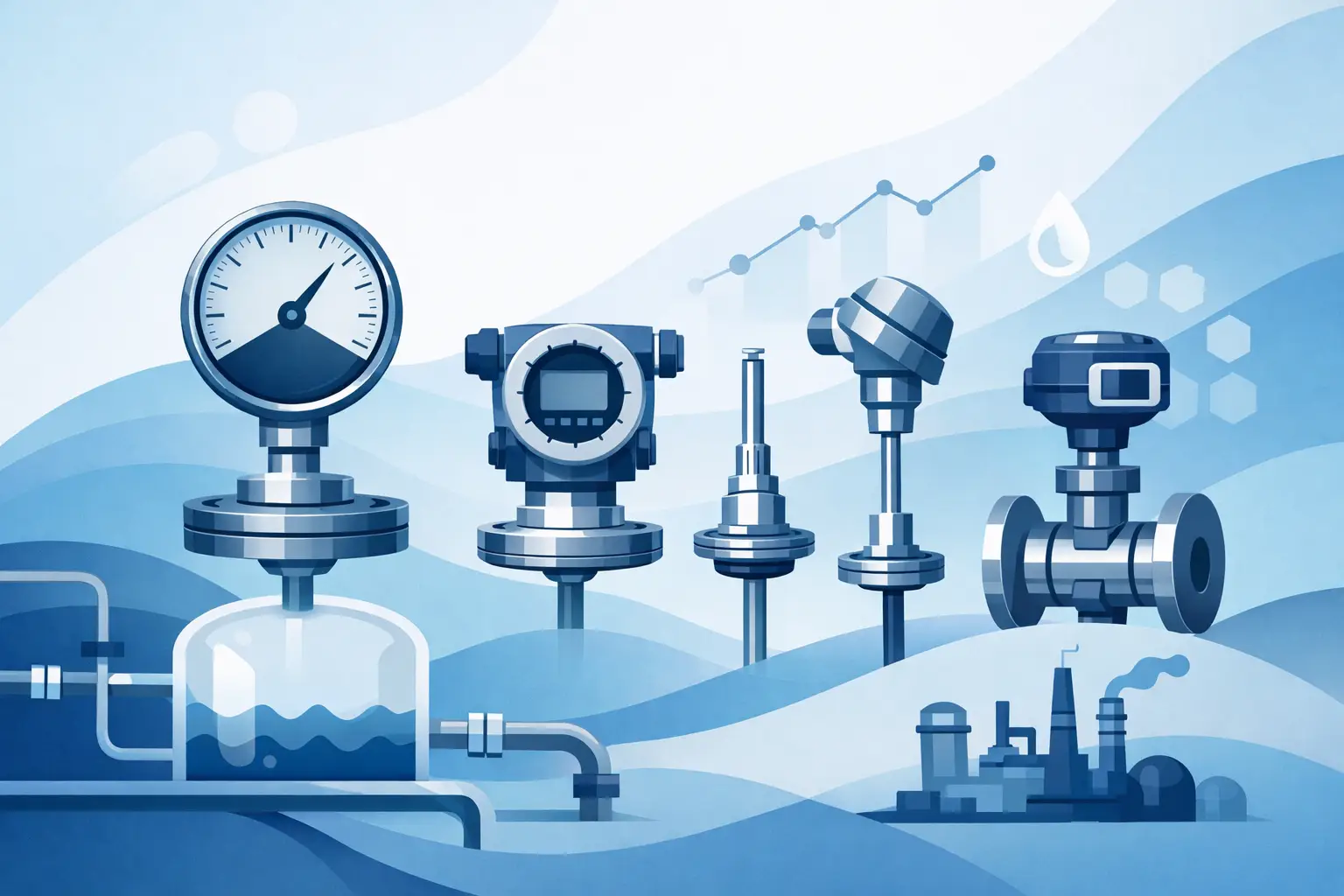
Diaphragm Seal Application Guide for Process Instruments
Use this diaphragm seal application guide to match wetted materials, fill fluid, connections, and instrument ranges to demanding process conditions safely.
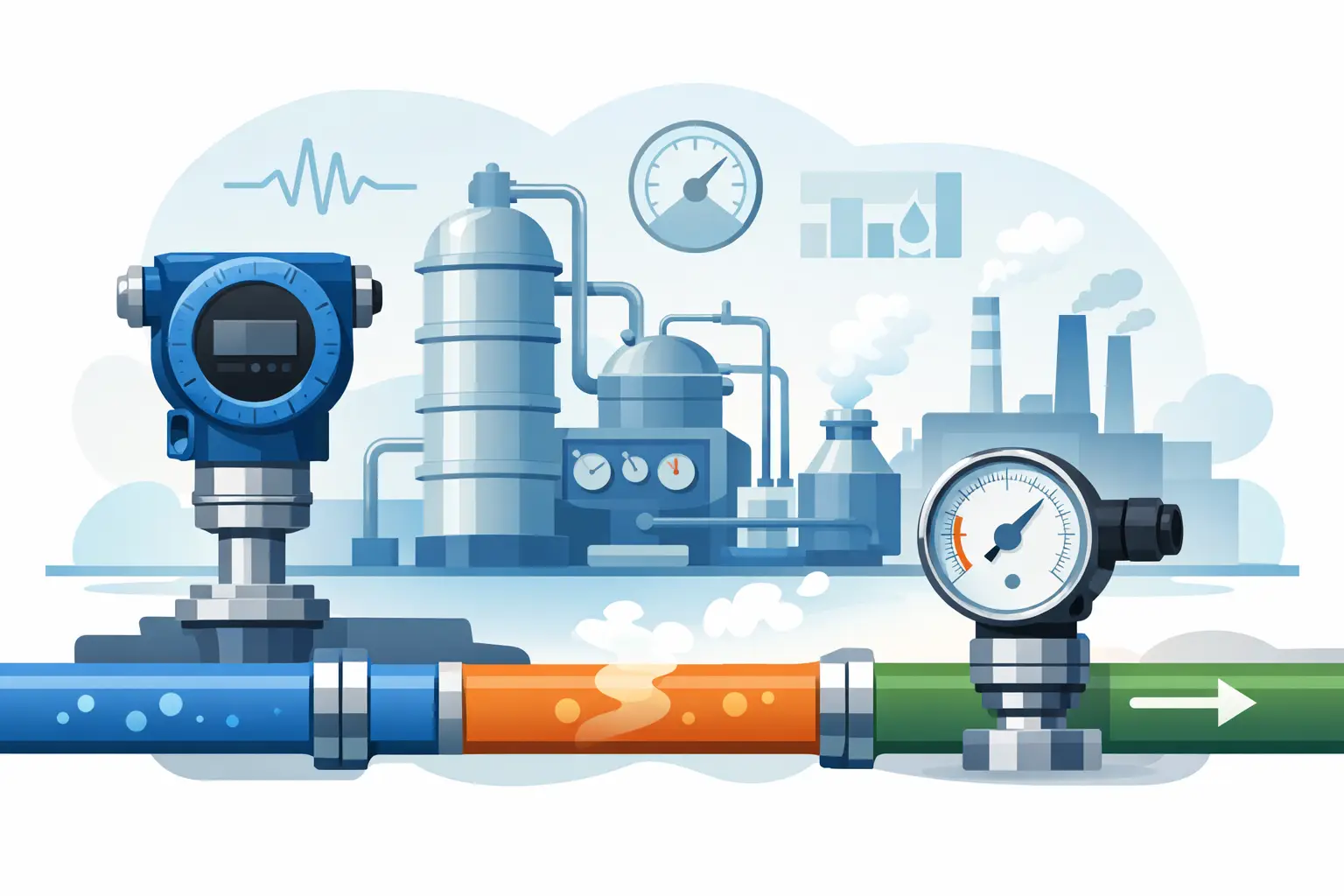
How to Match Pressure Transmitters to Your Process
Learn how to match pressure transmitters to process media, ranges, fittings, outputs, and environmental requirements for dependable industrial measurement.
Industrial Pressure Gauge Guide for Specifying
Use this industrial pressure gauge guide to select pressure range, accuracy, wetted materials, connections, and protection for industrial process systems.
How to Read Pressure Gauge Accuracy Ratings
Learn how to read pressure gauge accuracy ratings, calculate allowable error, interpret ASME grades, and choose the right range for process service safely.

When to Use Glycerin Filled Gauges at Work
Know when to use glycerin filled gauges for vibration, pulsation, and outdoor service, and when dry gauges better fit your process and maintenance needs.
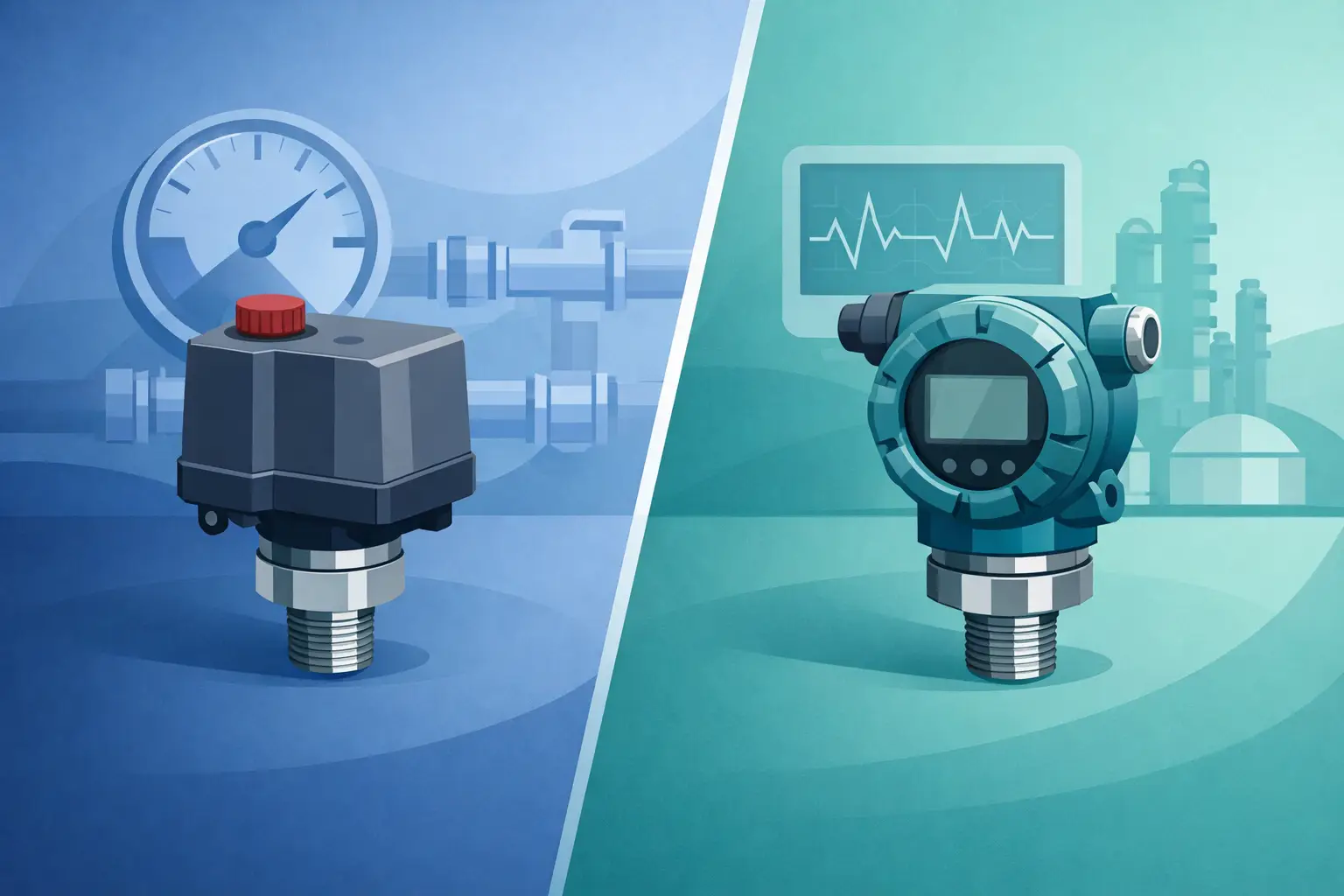
Pressure Switch vs Transmitter Selection
Compare pressure switch vs transmitter options for alarms, interlocks, and control loops. Match output, accuracy, materials, and set points in service.

Why Pressure Gauges Fail Early in Service
Why pressure gauges fail early in service: identify overload, vibration, corrosion, pulsation, and installation errors before readings become unreliable.
Pressure Gauge Calibration Intervals Explained
Set pressure gauge calibration intervals using service conditions, accuracy requirements, and documented verification to protect process control and safety.
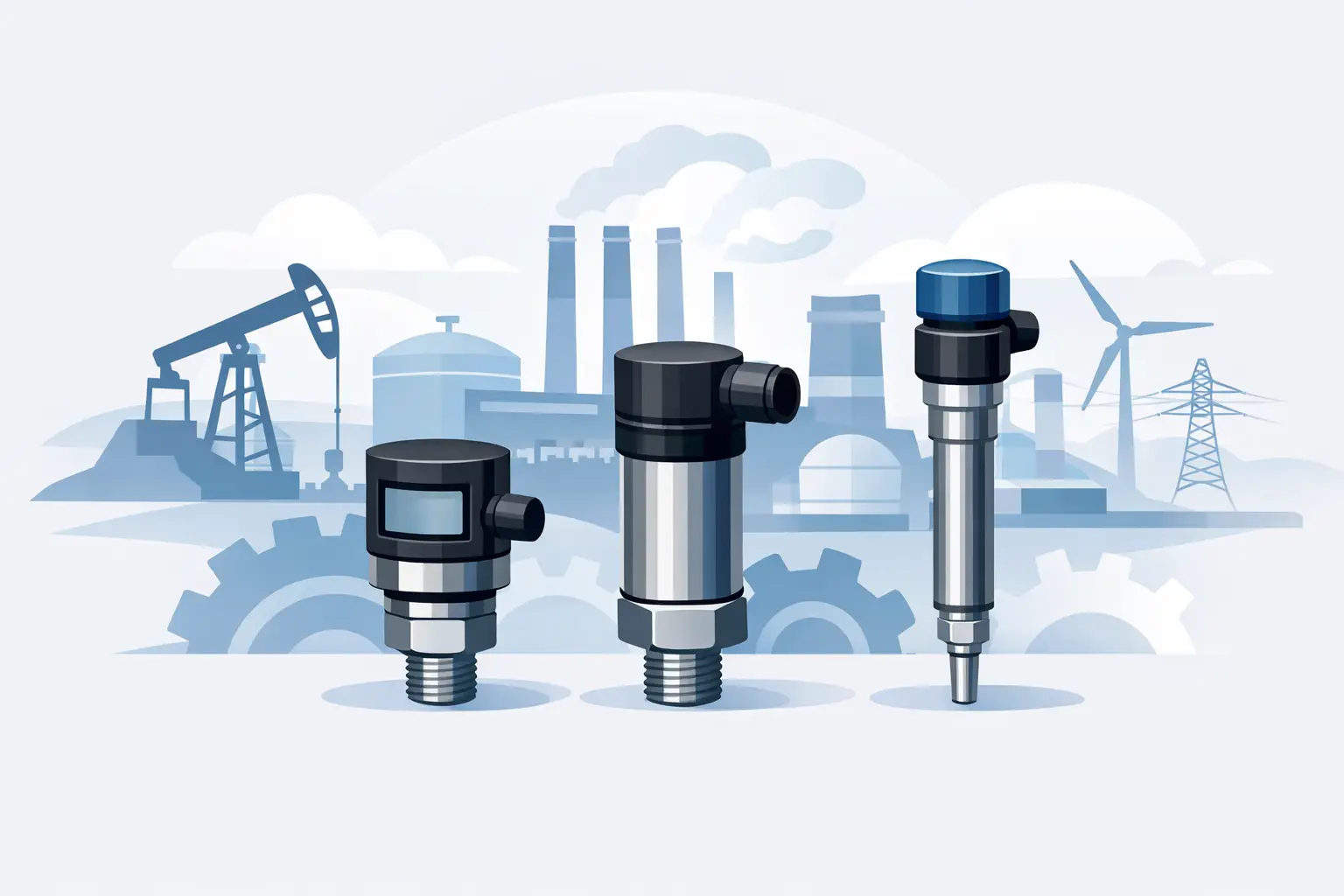
NOSHOK Transmitter Series Review for Industrial Use
NOSHOK transmitter series review for industrial buyers: compare pressure, differential pressure, and temperature options by range, output, and materials.
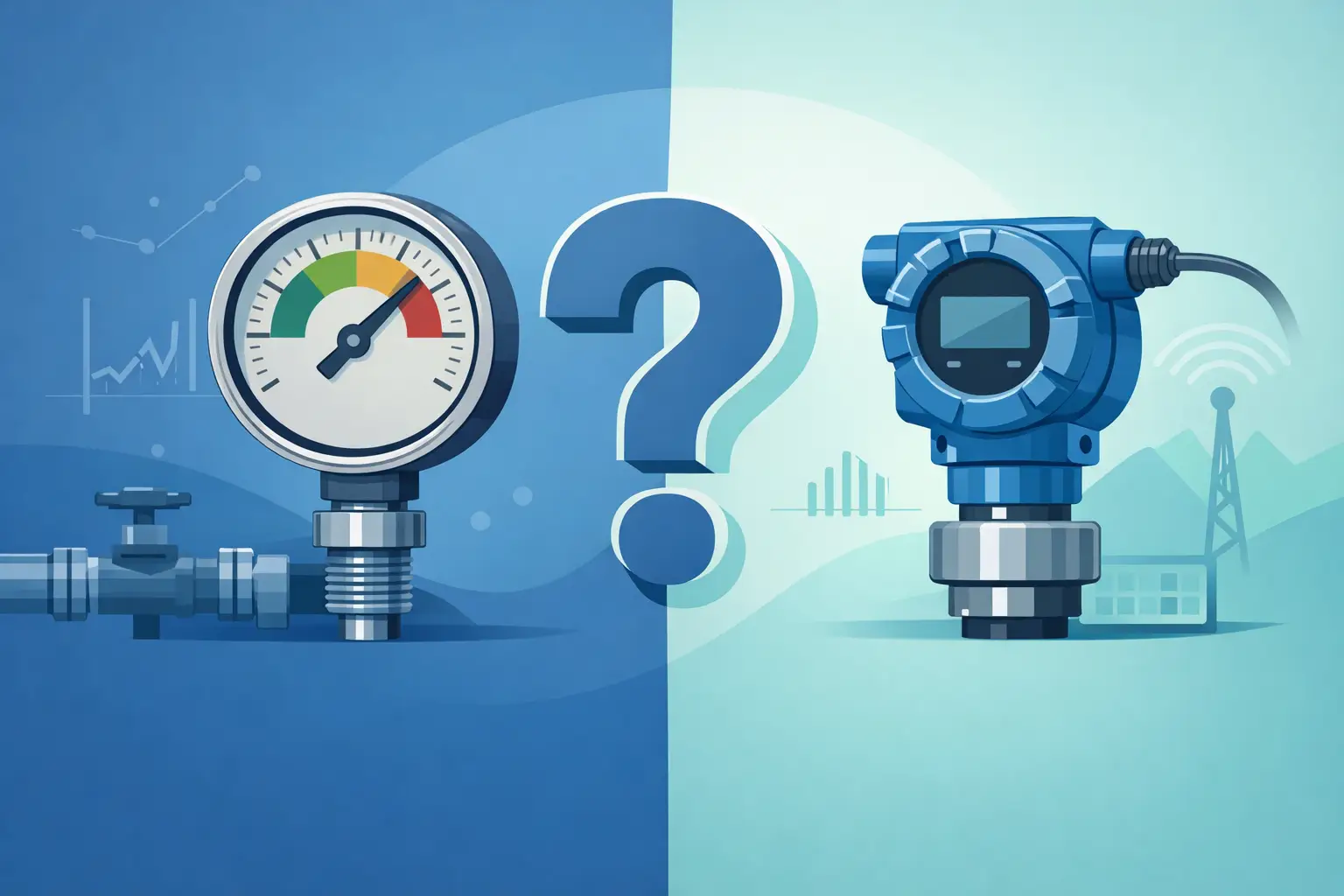
Pressure Gauge vs Transmitter: Which Fits?
Compare pressure gauge vs transmitter for range, accuracy, output, installation, and maintenance to select the right instrument for your process needs.
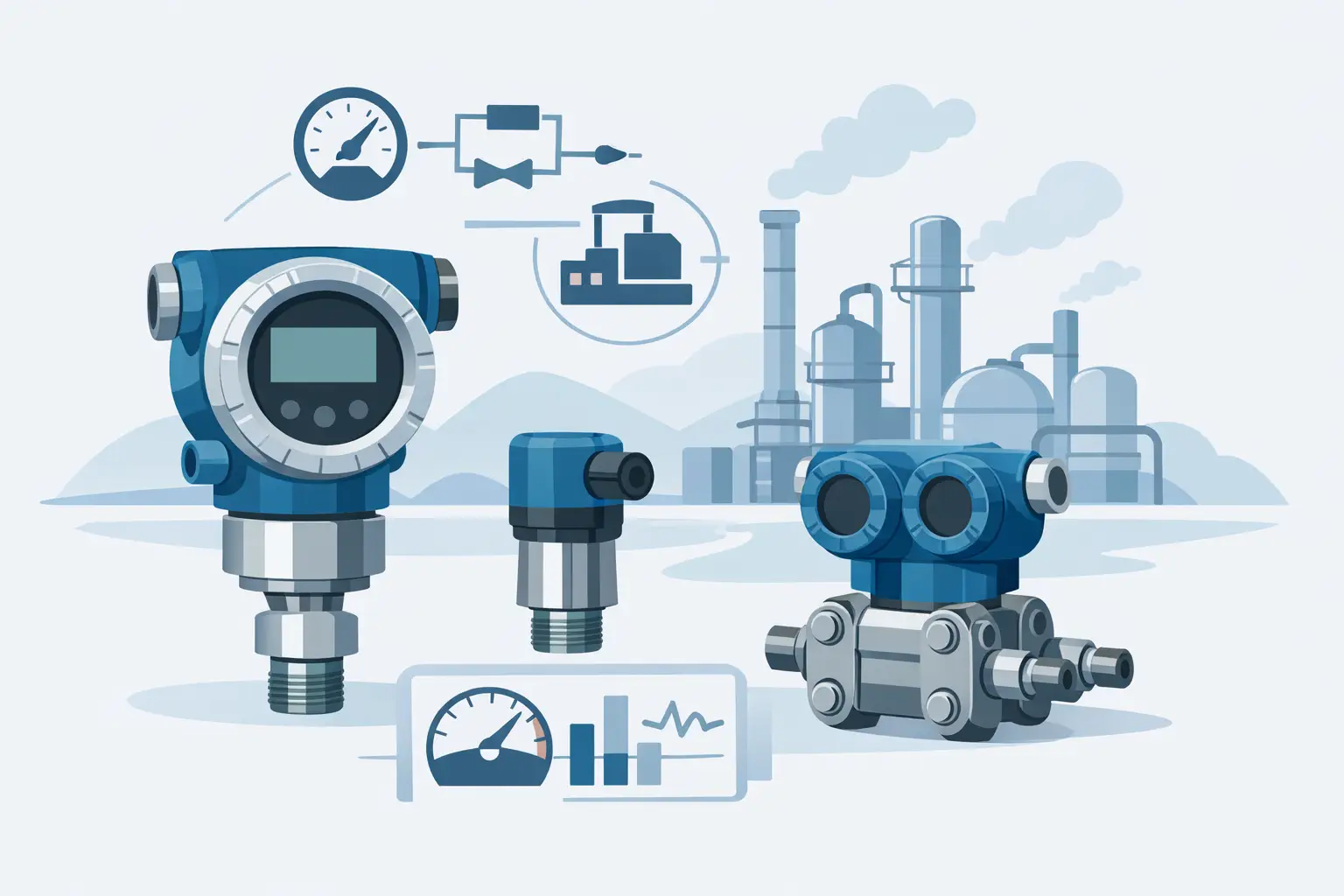
Pressure Transmitter Selection Guide for Plants
Use this pressure transmitter selection guide to match range, wetted materials, accuracy, output, approvals, and connections to your process needs safely.

Pressure Transmitter Crossover Example Explained
Use this pressure transmitter crossover example to verify pressure range, output, wetted materials, connections, approvals, and installation requirements.
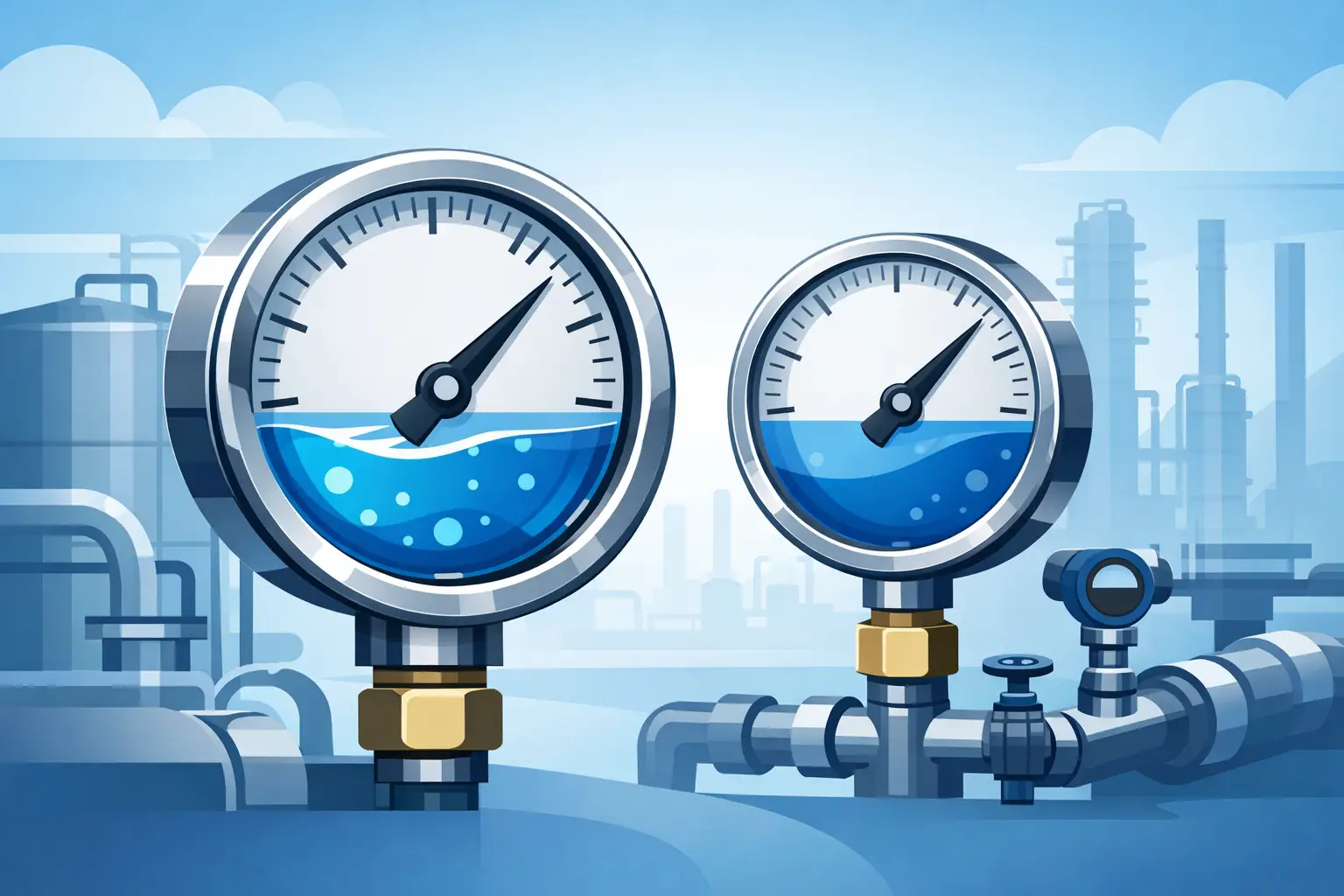
Liquid Filled Pressure Gauges for Industrial Service
Liquid filled pressure gauges reduce vibration effects, improve readability, and help maintain reliable pressure monitoring in demanding industrial service.
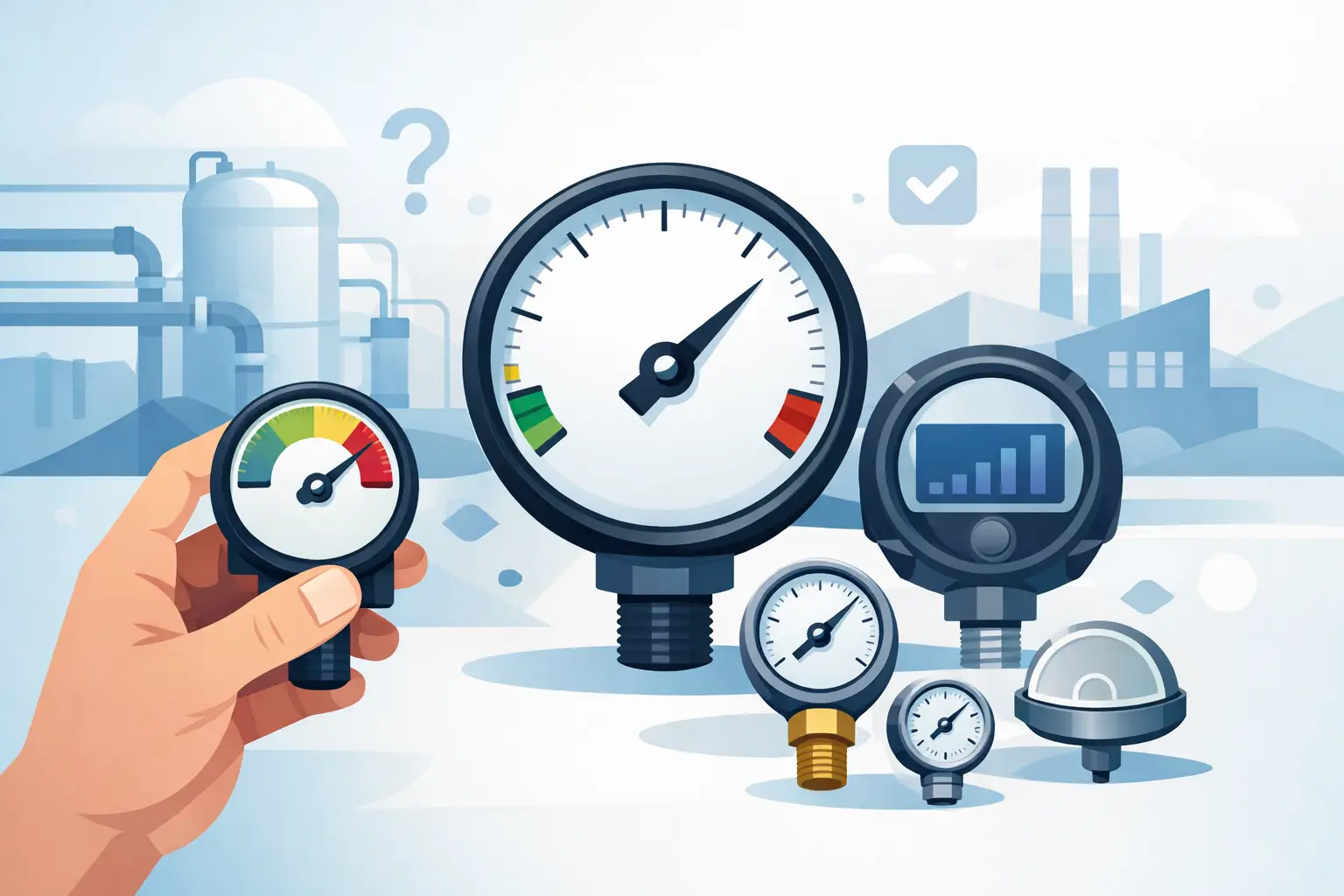
How to Choose Pressure Gauges
Learn how to choose pressure gauges by matching range, accuracy, materials, connection size, and application demands for reliable performance.
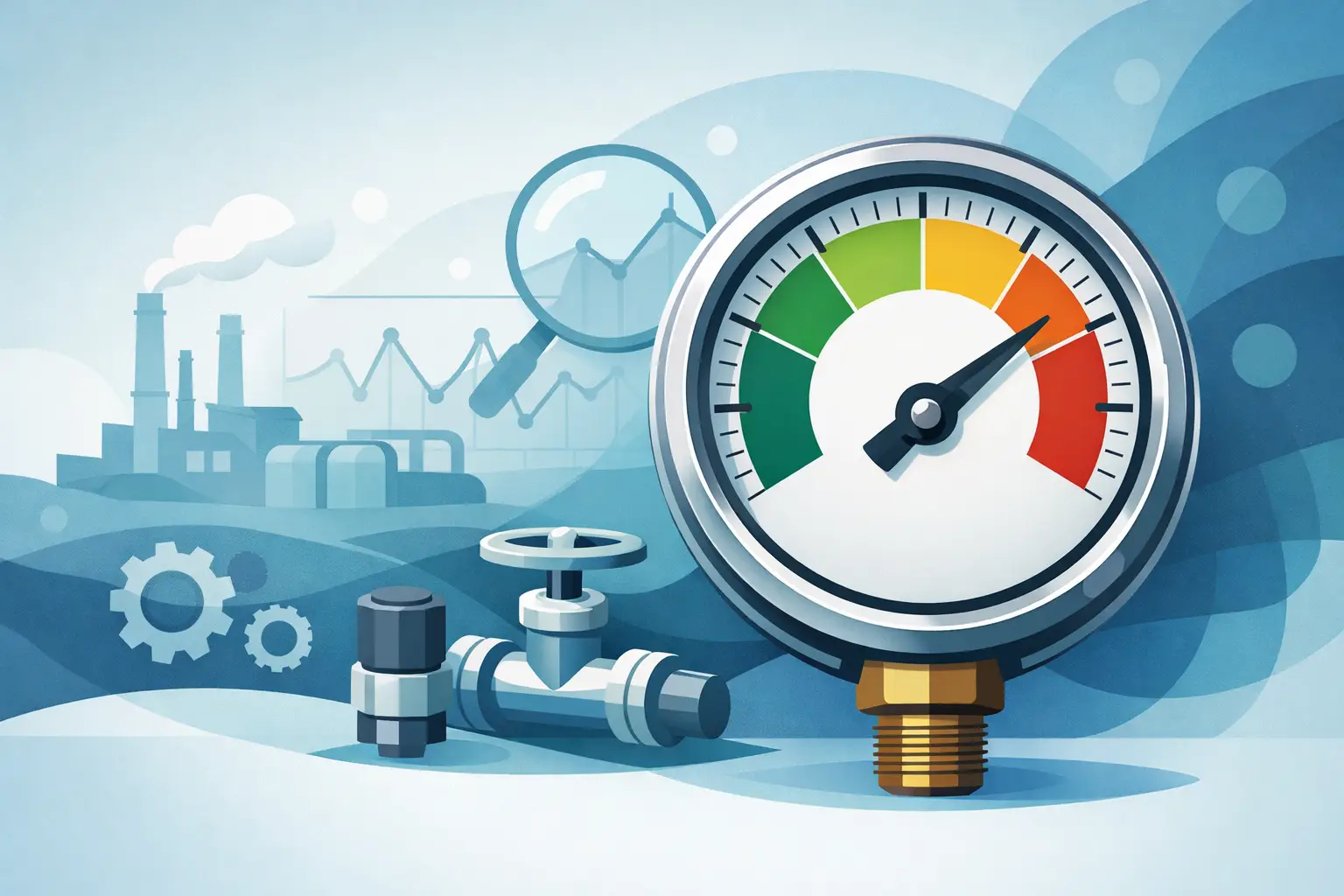
NOSHOK Pressure Gauge Review
NOSHOK pressure gauge review for industrial buyers. Compare build quality, accuracy, materials, and fit by application and service conditions.
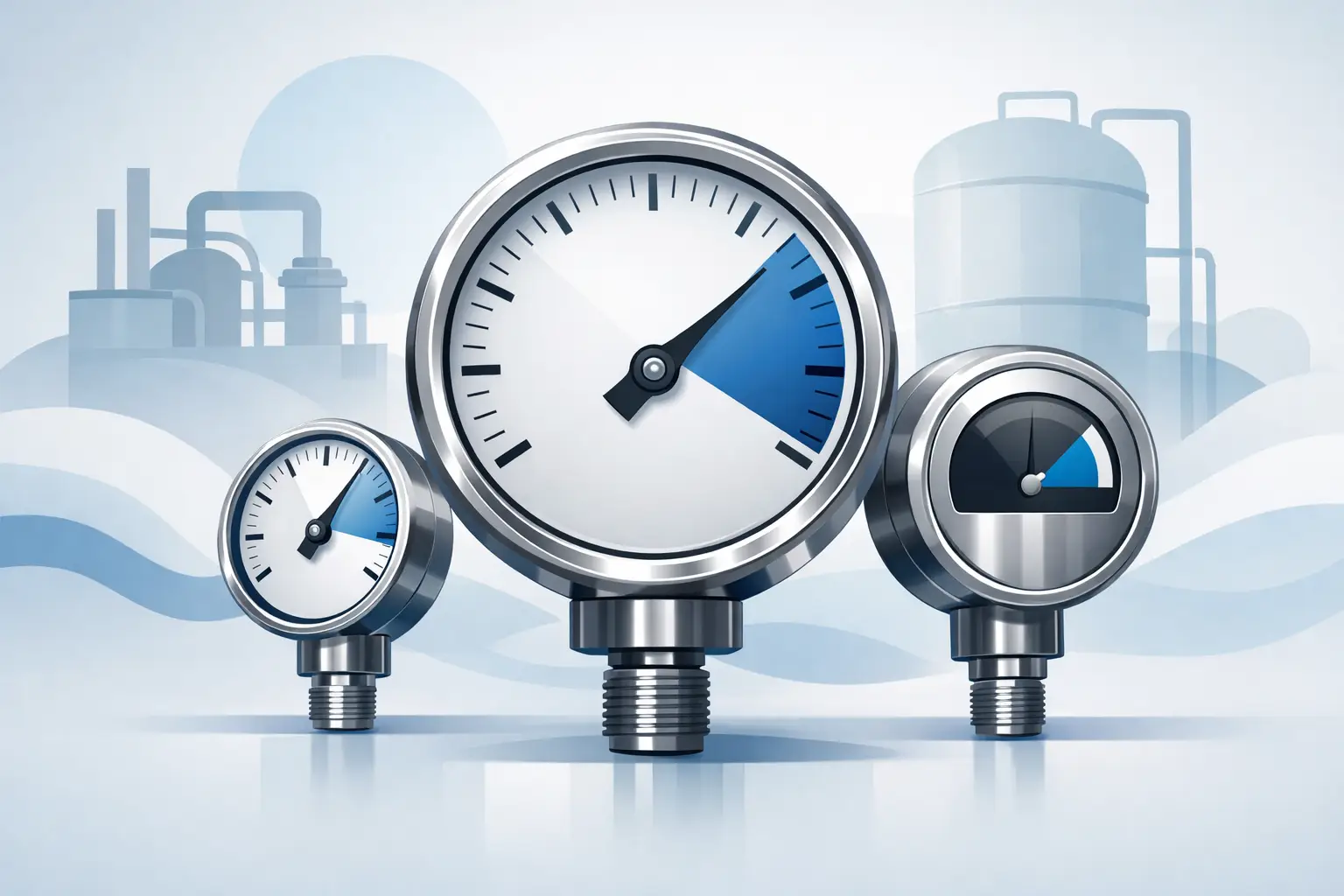
Choosing Stainless Steel Pressure Gauges
Learn how stainless steel pressure gauges are selected for industrial service, including materials, ranges, wetted parts, accuracy, and fit.
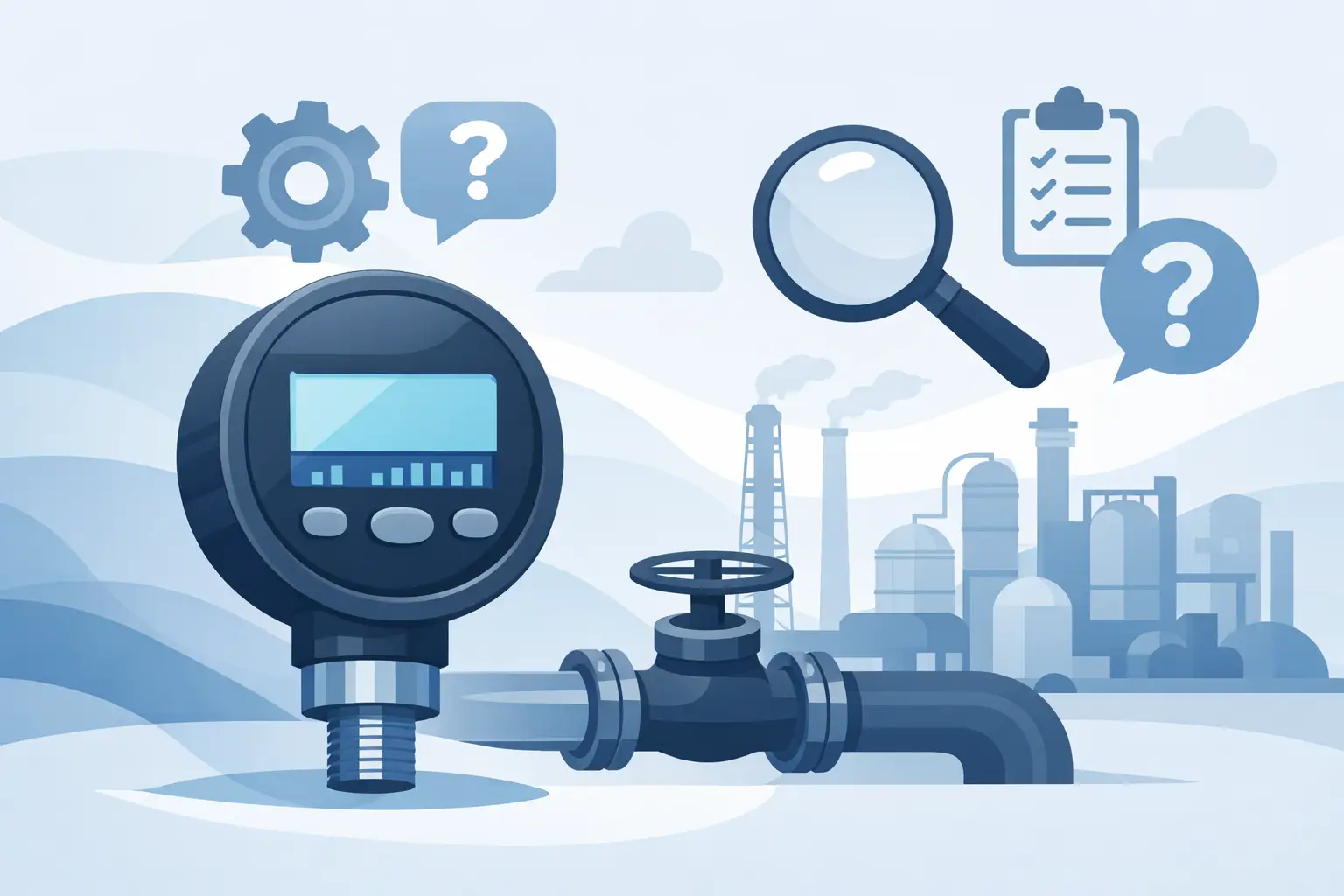
Digital Pressure Gauge FAQ for Industrial Use
Digital pressure gauge FAQ for industrial buyers covering accuracy, ranges, wetted materials, battery life, process connections, and use cases.
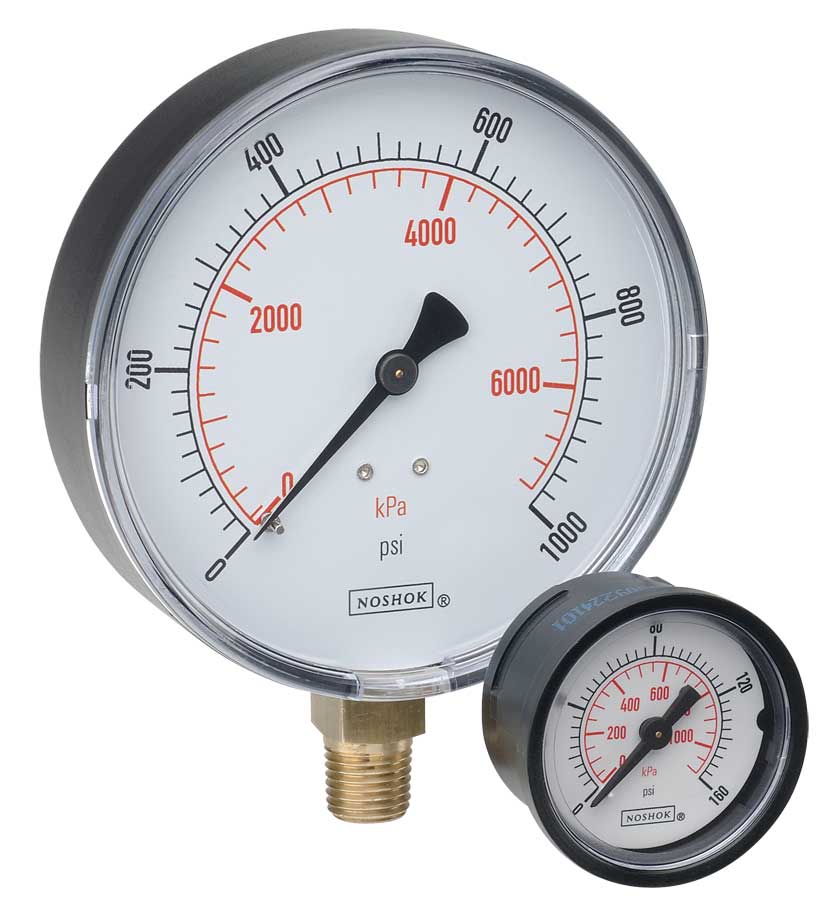 NOSHOK ABS & Steel Dry Pressure Gauges 100 series
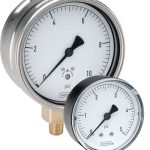 NOSHOK Low Pressure Dry Pressure Gauges-( 200 series)
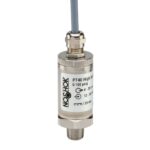 NOSHOK PT40 Series High Accuracy Transmitters-Replaces 100,200,615 series
