




Identifying Legacy NOSHOK Part Numbers: 2026 Guide
Learn how to decode legacy NOSHOK part numbers with a step-by-step method, nameplate tips, and cross-reference guidance for old and discontinued gauges.
Buy Certified NOSHOK Pressure Gauges Online
Buy certified noshok pressure gauges online: Find certified NOSHOK pressure gauges online with specifications, calibration certificates, and bulk pricing.
Explosion-Proof Pressure Transmitter Requirements: A 2026 Guide
Understand explosion-proof pressure transmitter requirements, certifications, hazardous-area classifications, and how to select the right transmitter
Industrial Pressure Gauge Repair vs Replace: 2026 Guide
Learn when pressure gauge repair beats replacement, how to spot failure causes, and how to select a new industrial gauge. Make the right call in 2026.
NOSHOK Valve and Gauge Repair Services: Complete Guide
Expert NOSHOK valve and gauge repair services with fast turnaround, calibration, and warranty support. Learn when to repair vs. replace.
Avoiding Hidden Costs in Industrial Procurement
Avoiding hidden costs in industrial procurement starts with total cost of ownership. Learn to spot invoice errors, tariff charges, and maverick spend.


What Is Gauge Overpressure Protection Used For?
What is gauge overpressure protection? See how range selection, restrictors, and relief devices help prevent instrument damage in higher-pressure service.
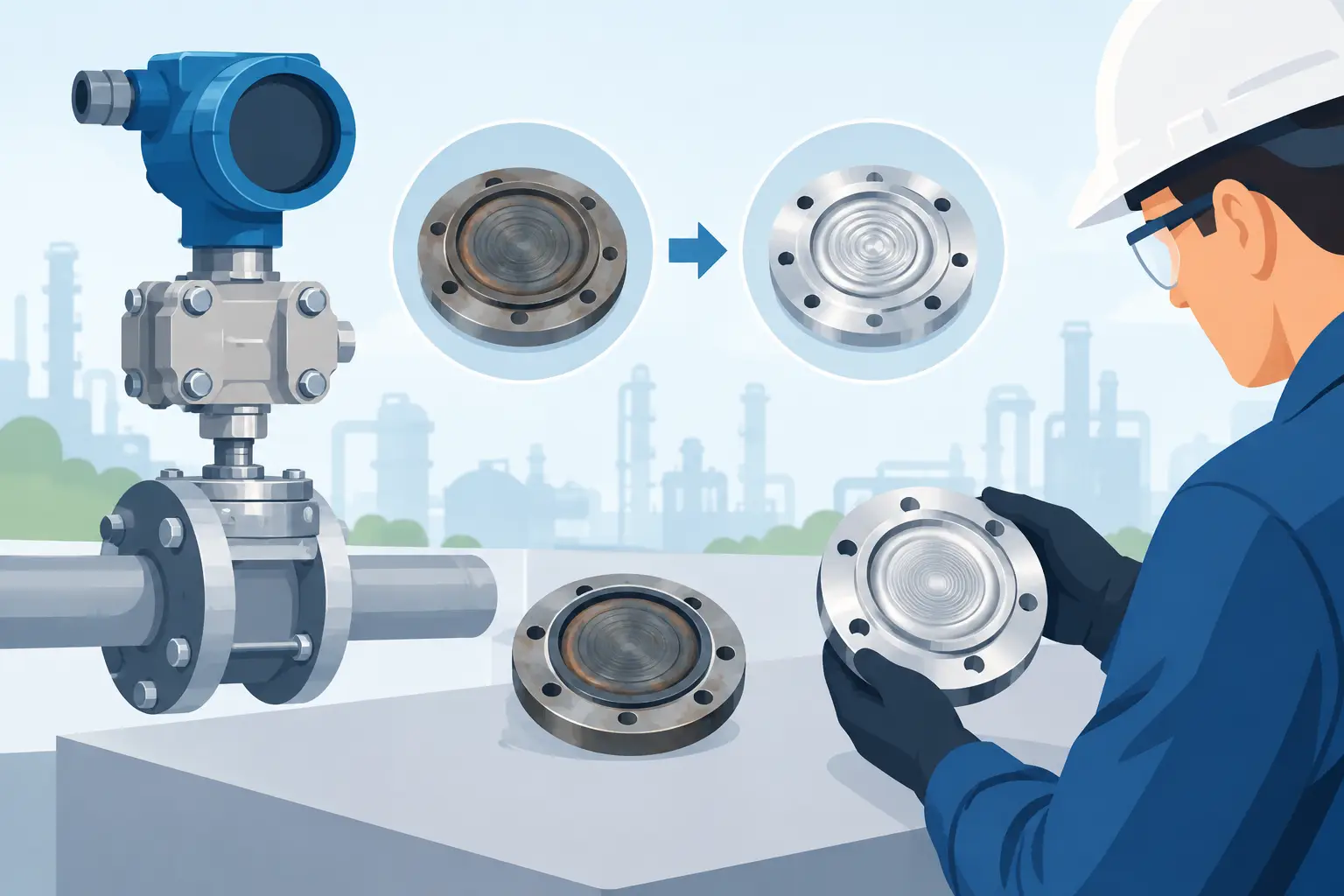
When to Replace Diaphragm Seals in Service
Know when to replace diaphragm seals by identifying corrosion, diaphragm fatigue, fill-fluid loss, and measurement drift before process control is affected.
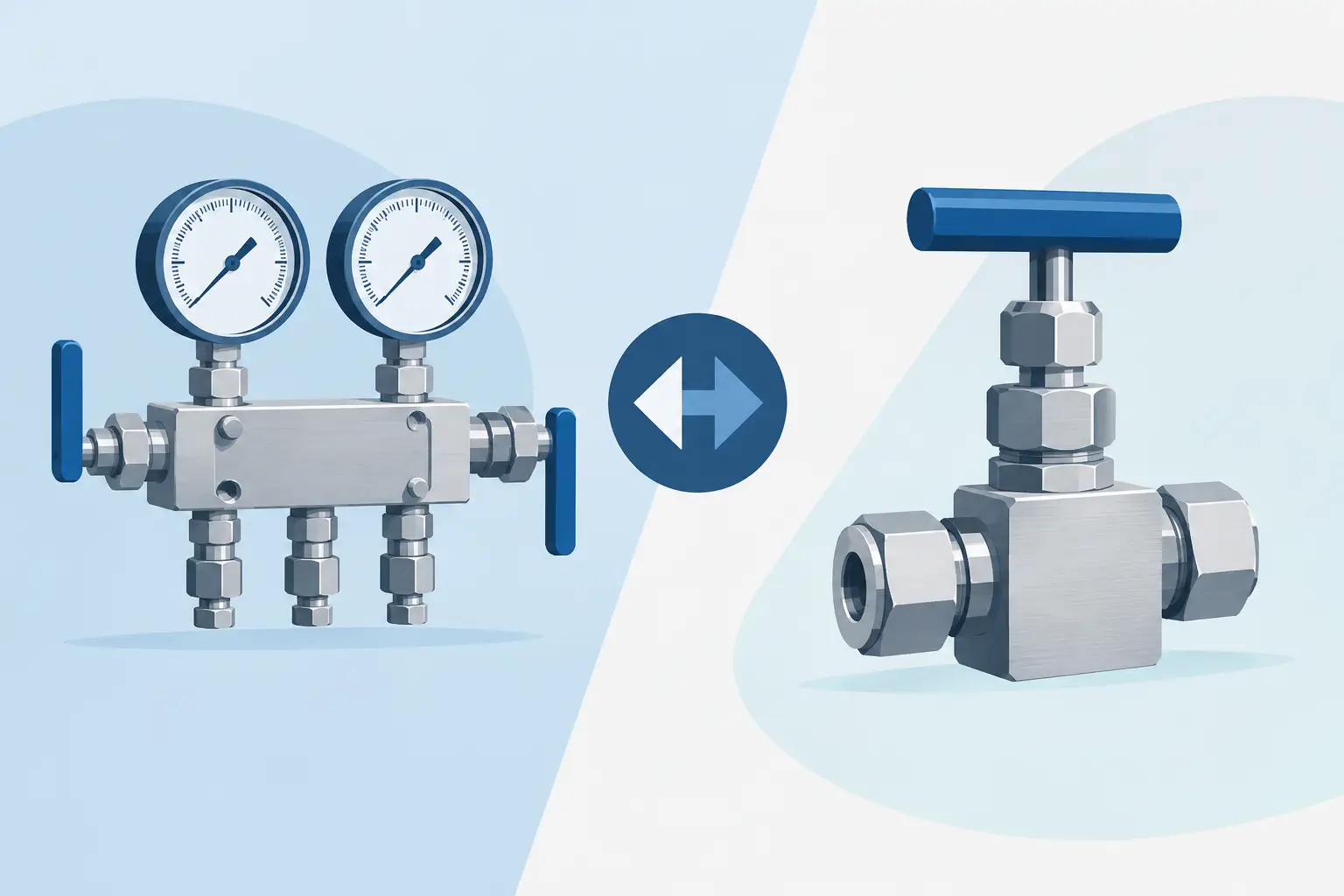
Pressure Manifold Versus Needle Valve Selection
Compare pressure manifold versus needle valve by function, isolation needs, connections, and application requirements for reliable instrument installation.
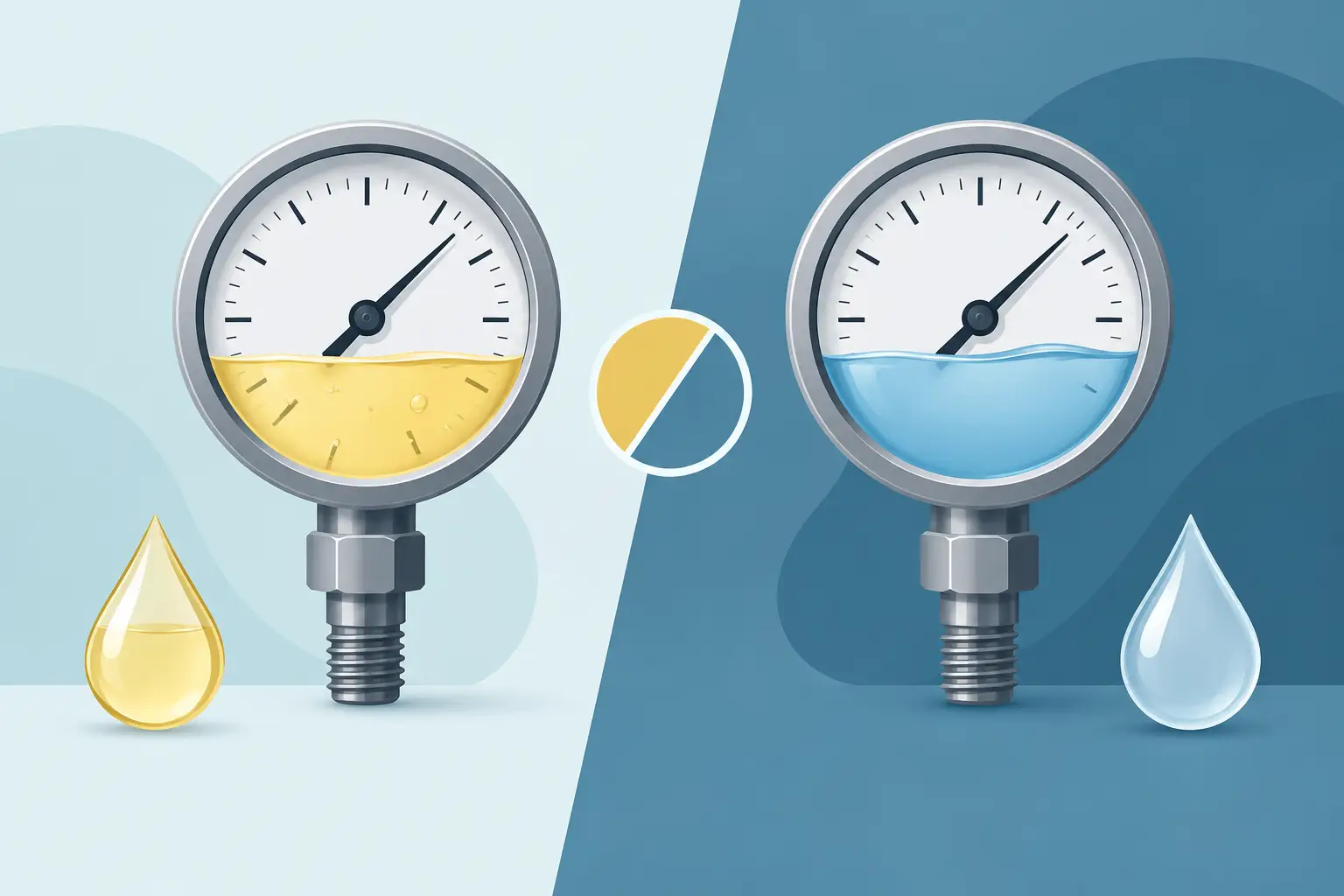
Glycerin Versus Silicone Gauge Fill Compared
Compare glycerin versus silicone gauge fill for vibration control, temperature exposure, fluid compatibility, and selecting the right pressure gauge.

Wireless Pressure Sensing for Industrial Systems
Wireless pressure sensing gives industrial teams remote visibility where wiring is impractical, with defined requirements for accuracy, power, and safety.
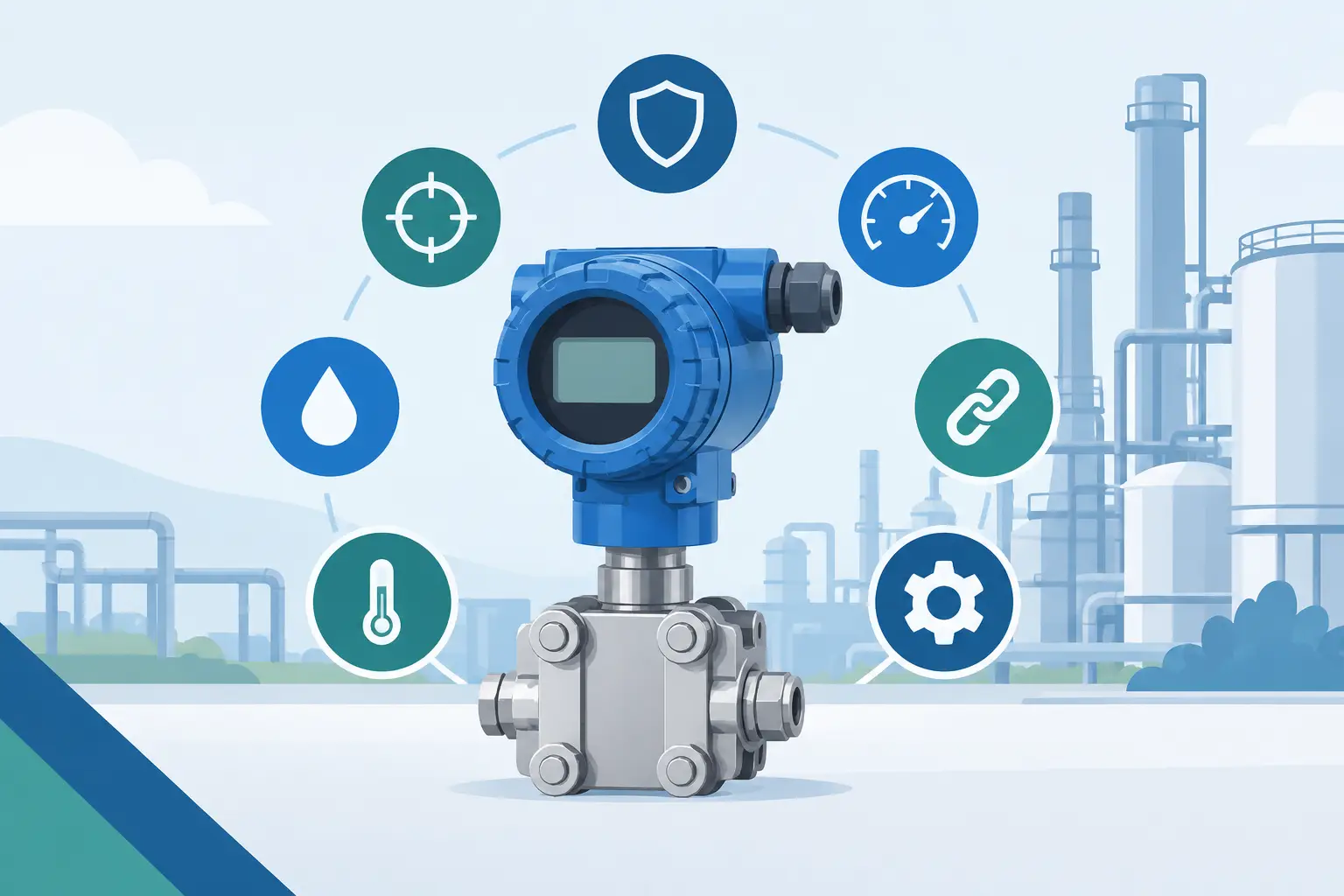
Top Industrial Transmitter Features That Matter
Compare top industrial transmitter features for accurate pressure, temperature, and flow measurement, including outputs, wetted materials, and approvals.
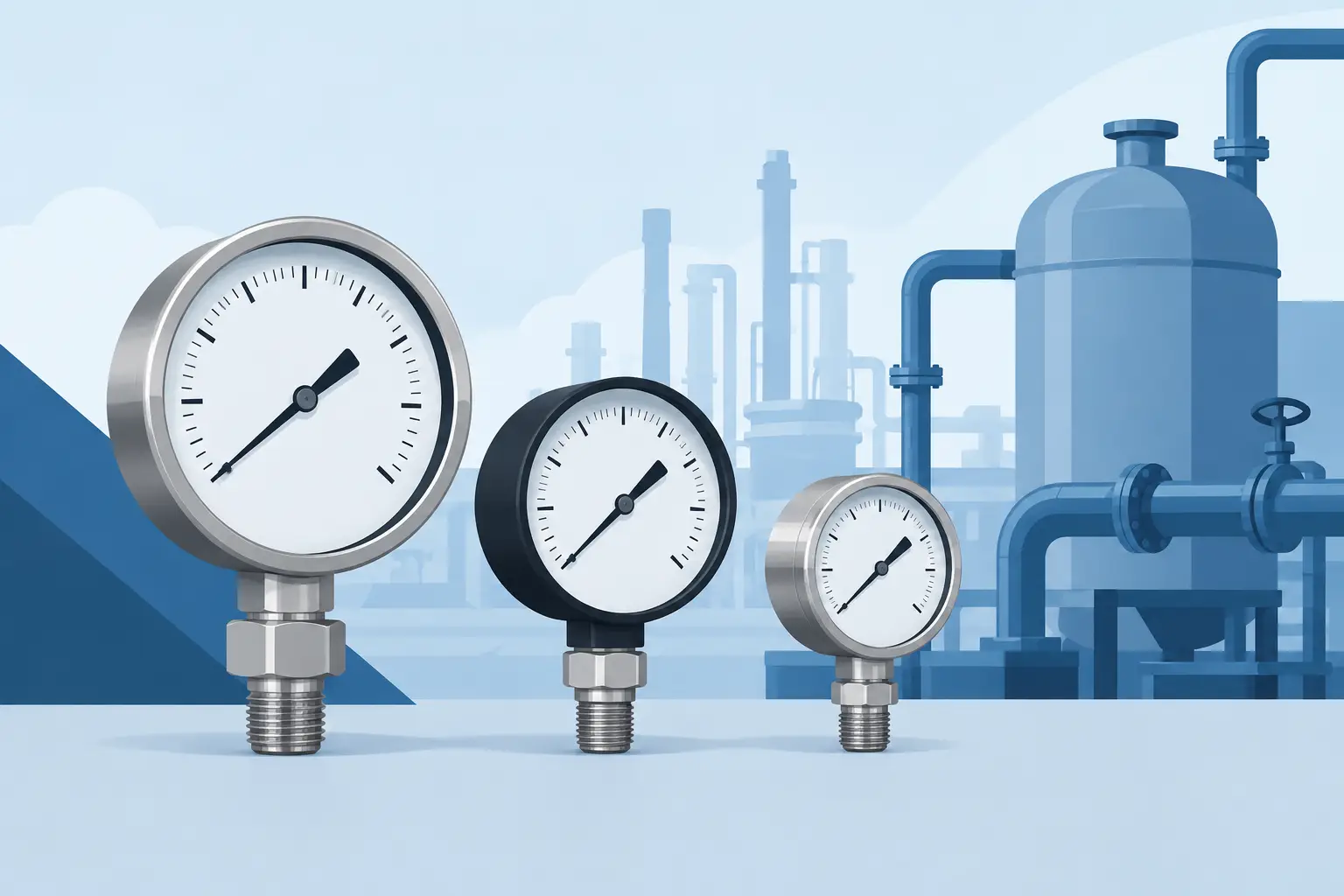
Bottom Mount Gauge Selection for Industrial Systems
Bottom mount gauge selection requires the right range, connection, materials, and accuracy for safe, readable industrial pressure measurement in service.
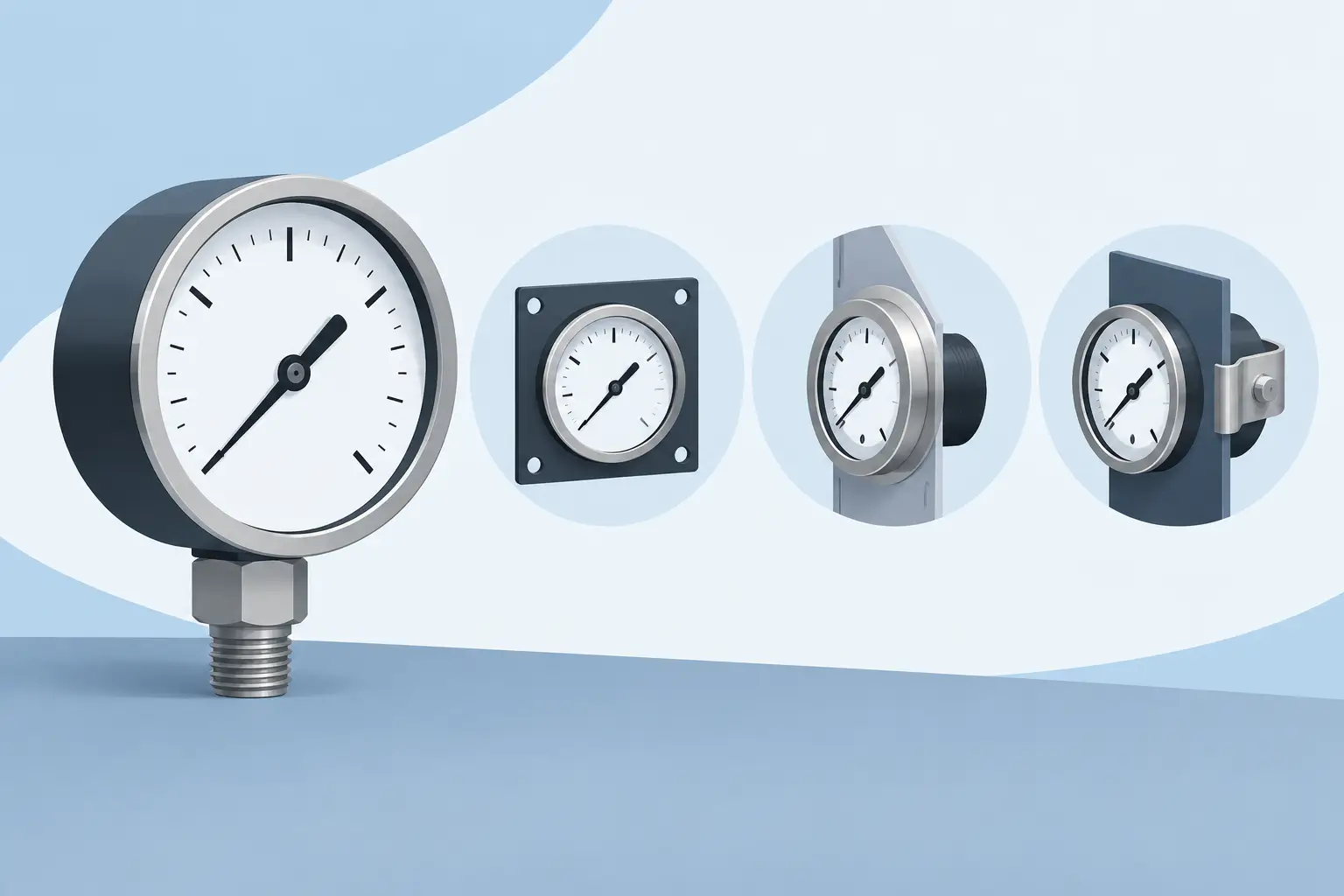
Pressure Gauge Panel Mount Options
Compare pressure gauge panel mount options by case style, range, connection, accuracy, and environment for a reliable, clear operator display on site.

What Causes Transmitter Drift in Process Systems?
Learn what causes transmitter drift, how to separate sensor drift from installation error, and how calibration and selection protect process accuracy.
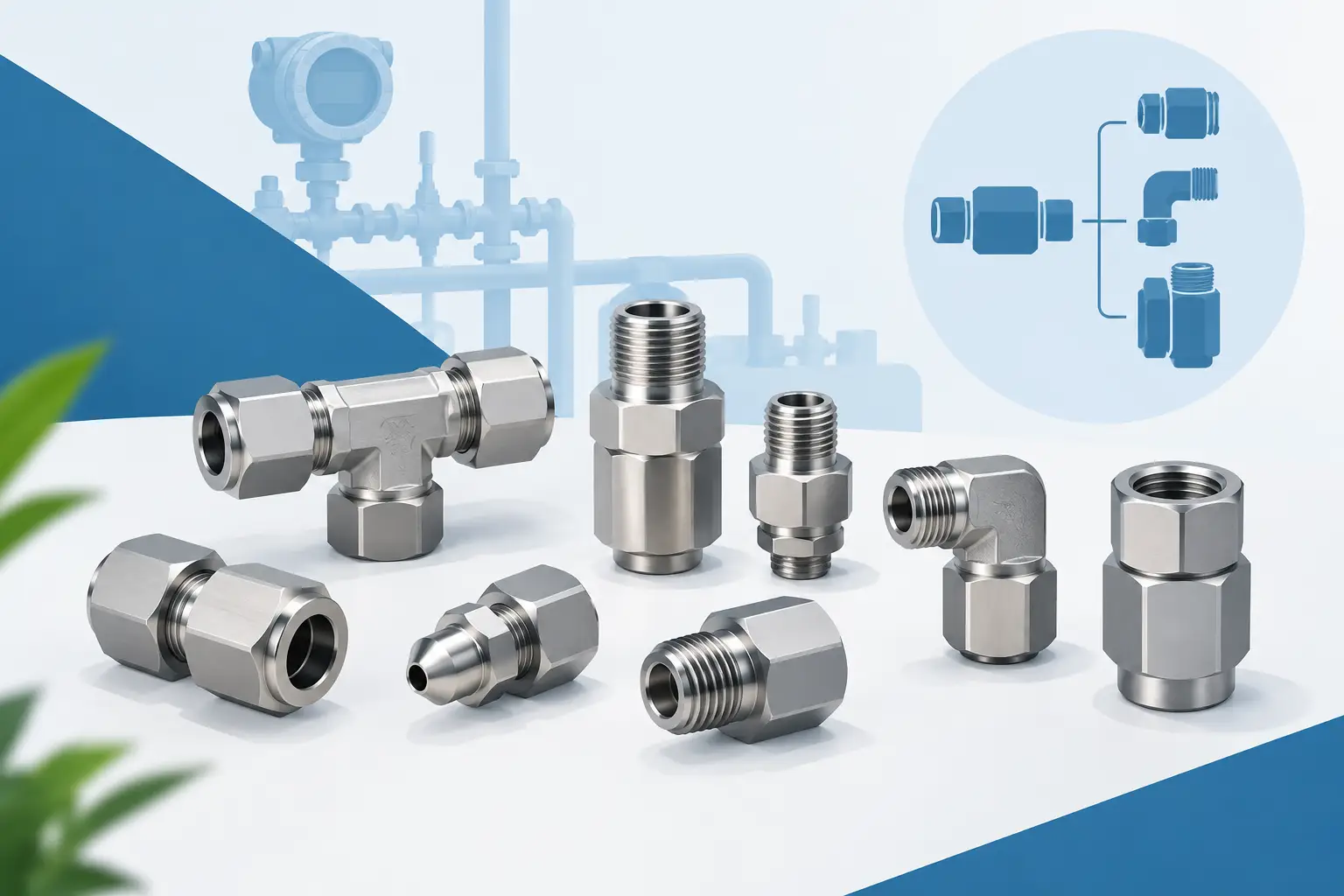
Selecting Instrumentation Fittings and Adapters
Select instrumentation fittings and adapters by connection standard, material, pressure rating, and service conditions to protect measurement accuracy.
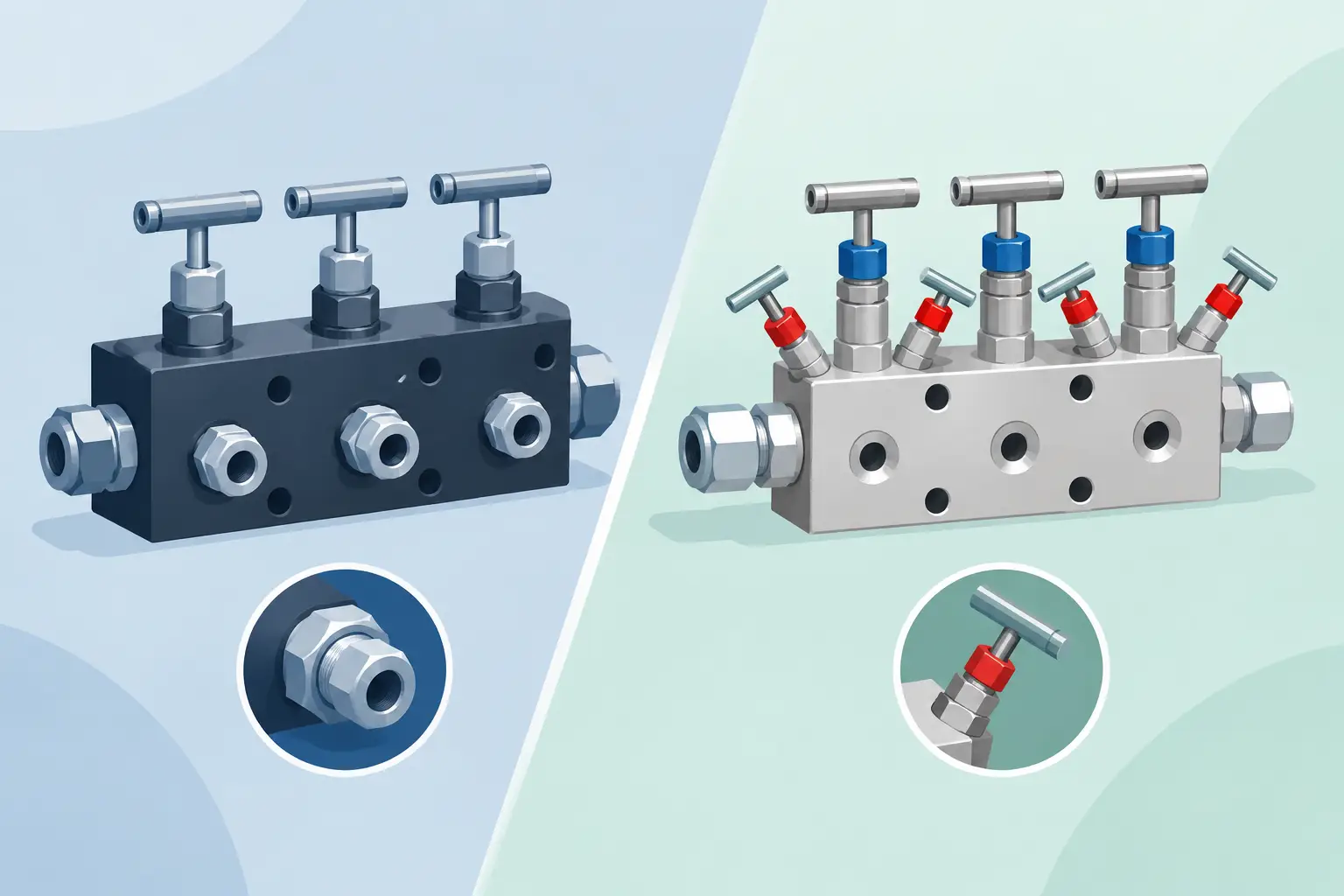
Block and Bleed Manifold Comparison Guide
Use this block and bleed manifold comparison to select two-, three-, and five-valve configurations by isolation, venting, pressure rating, and process duty.
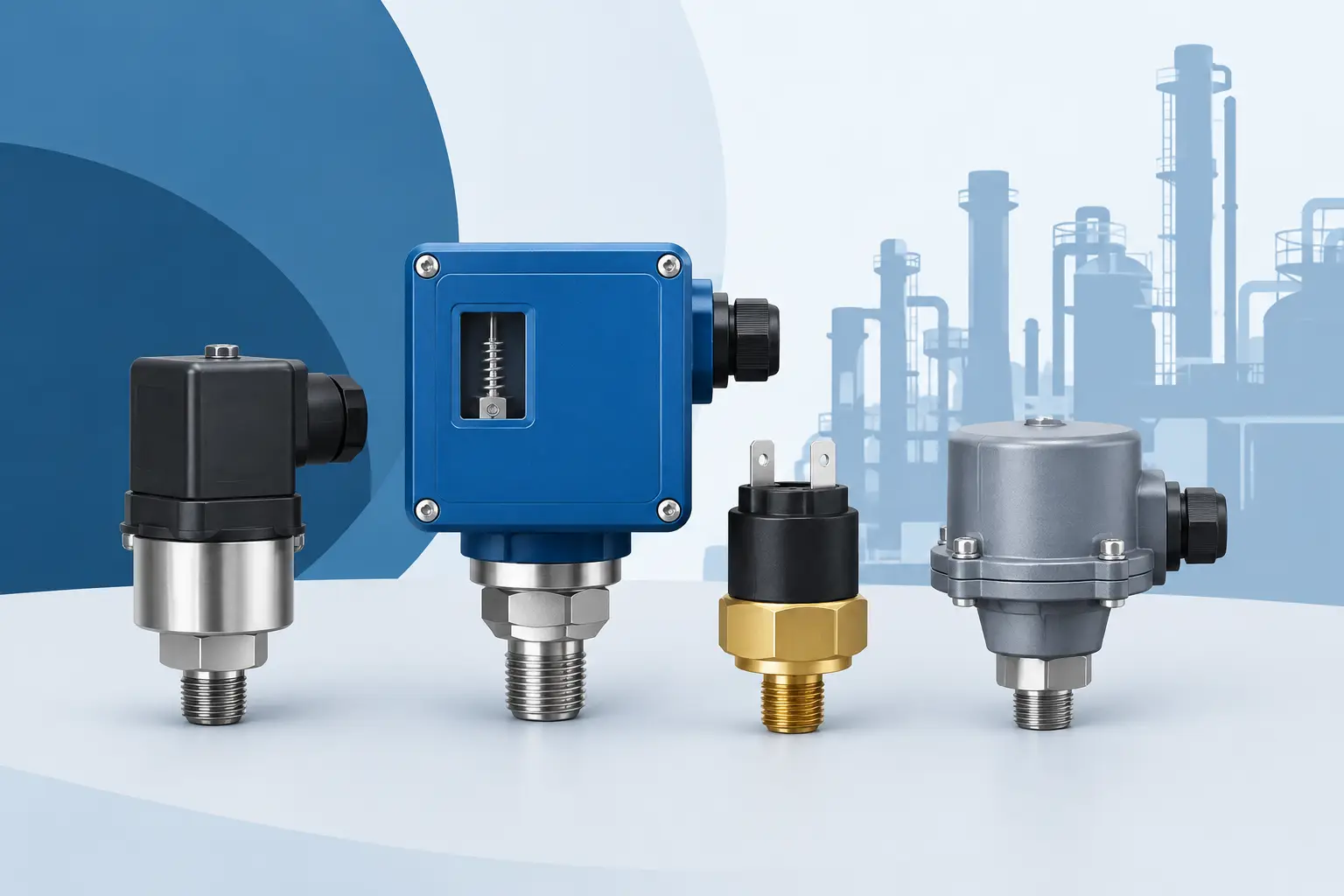
Best Industrial Pressure Switches for Specified Duty
Select the best industrial pressure switches by matching setpoint, differential, wetted materials, enclosure, electrical load, and process connection ratings.
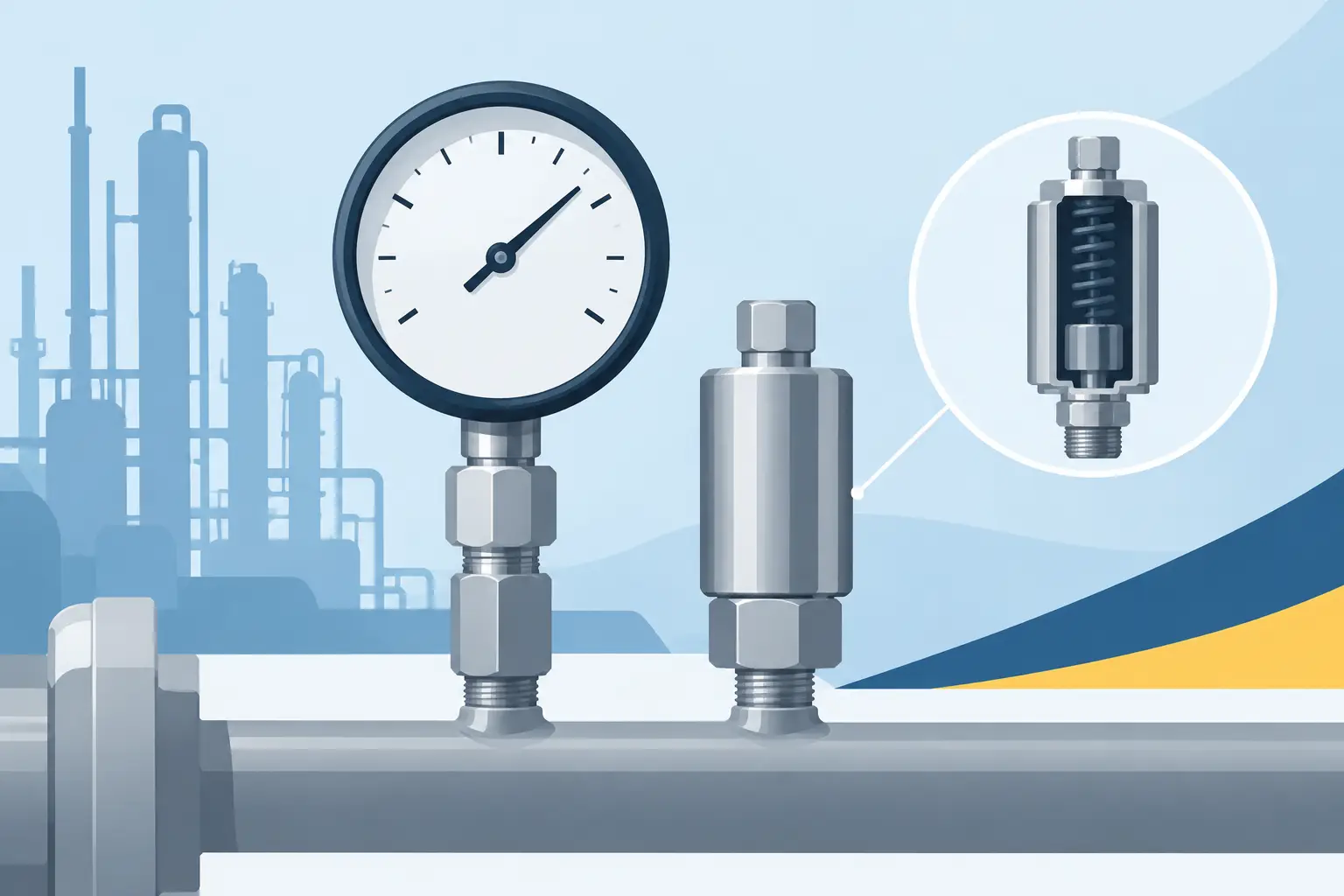
When to Use Pressure Snubbers on Pressure Gauges
Know when to use pressure snubbers to protect gauges and transmitters from pulsation, pressure spikes, and vibration while preserving response accuracy.
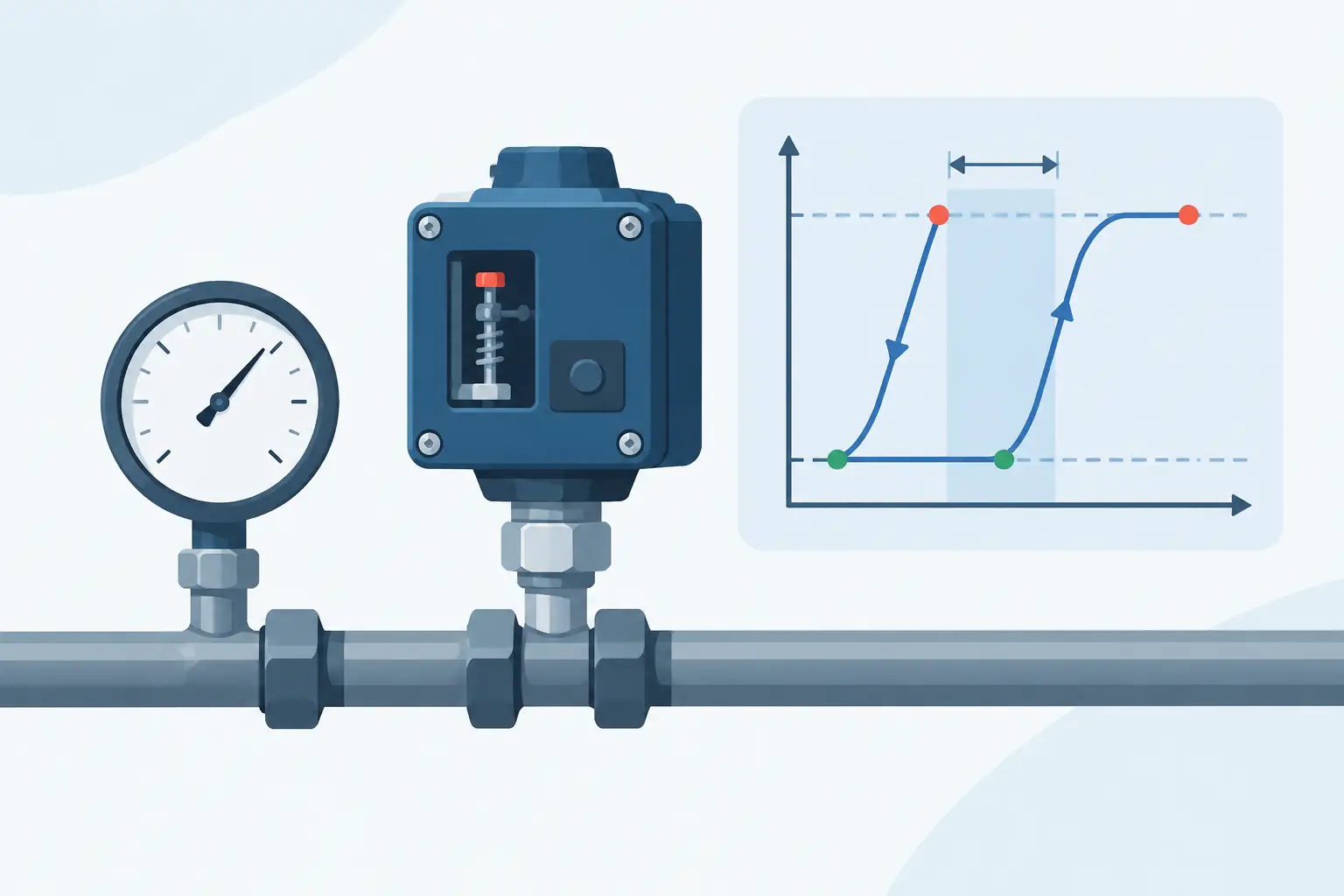
Pressure Switch Hysteresis and Deadband Control
Pressure switch hysteresis defines the reset point that prevents output chatter. Learn how to specify deadband for dependable industrial control circuits.
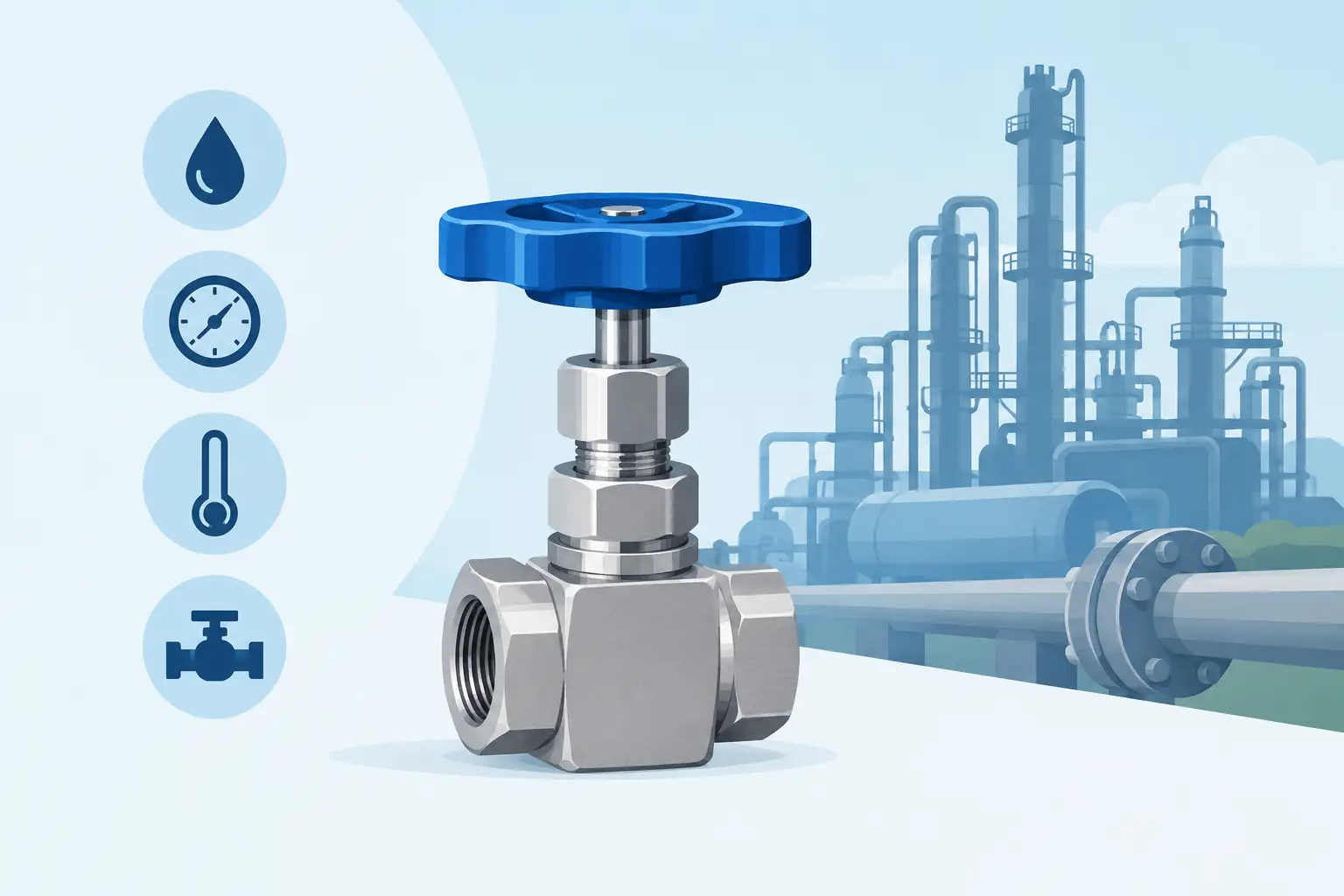
How to Select Needle Valves for Process Service
Learn how to select needle valves by matching pressure, media, materials, connections, Cv, and operating conditions for accurate industrial flow control.
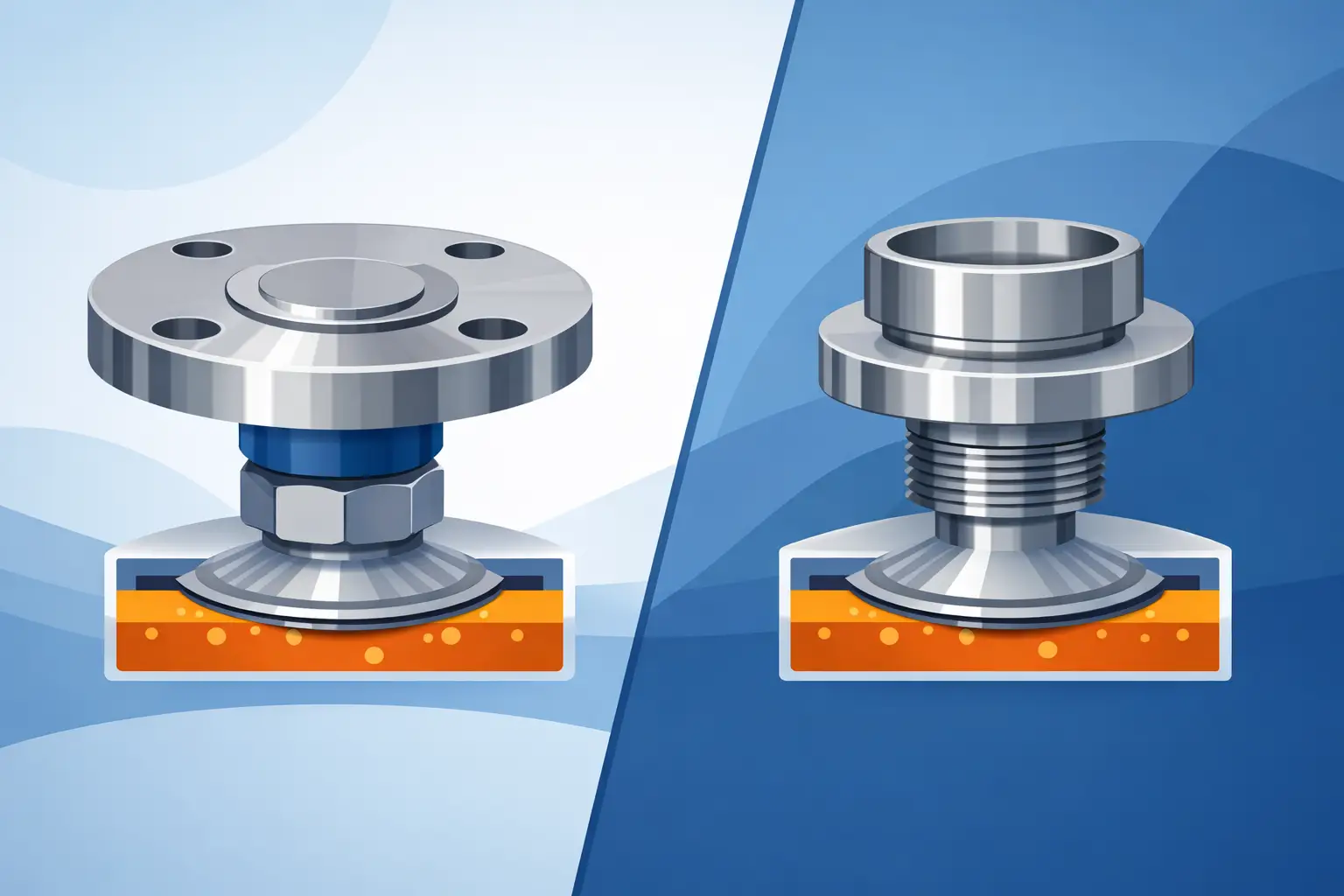
Flange Versus Threaded Diaphragm Seals Compared
Compare flange versus threaded diaphragm seals by process connection, cleaning needs, pressure limits, service access, and instrument compatibility needs.

How to Prevent Gauge Vibration Damage in Plants
Learn how to prevent gauge vibration damage through proper gauge selection, mounting, dampening, and system checks in demanding industrial plant service.

How to Choose Pressure Switch Setpoints Correctly
Learn how to choose pressure switch setpoints for reliable alarms, pump control, and shutdowns while accounting for process range, deadband, and safety.

Dry Gauge vs Filled Gauge: Which One Fits?
Compare dry gauge vs filled gauge performance in vibration, temperature, safety, and cost to select the right pressure gauge for plant process conditions.
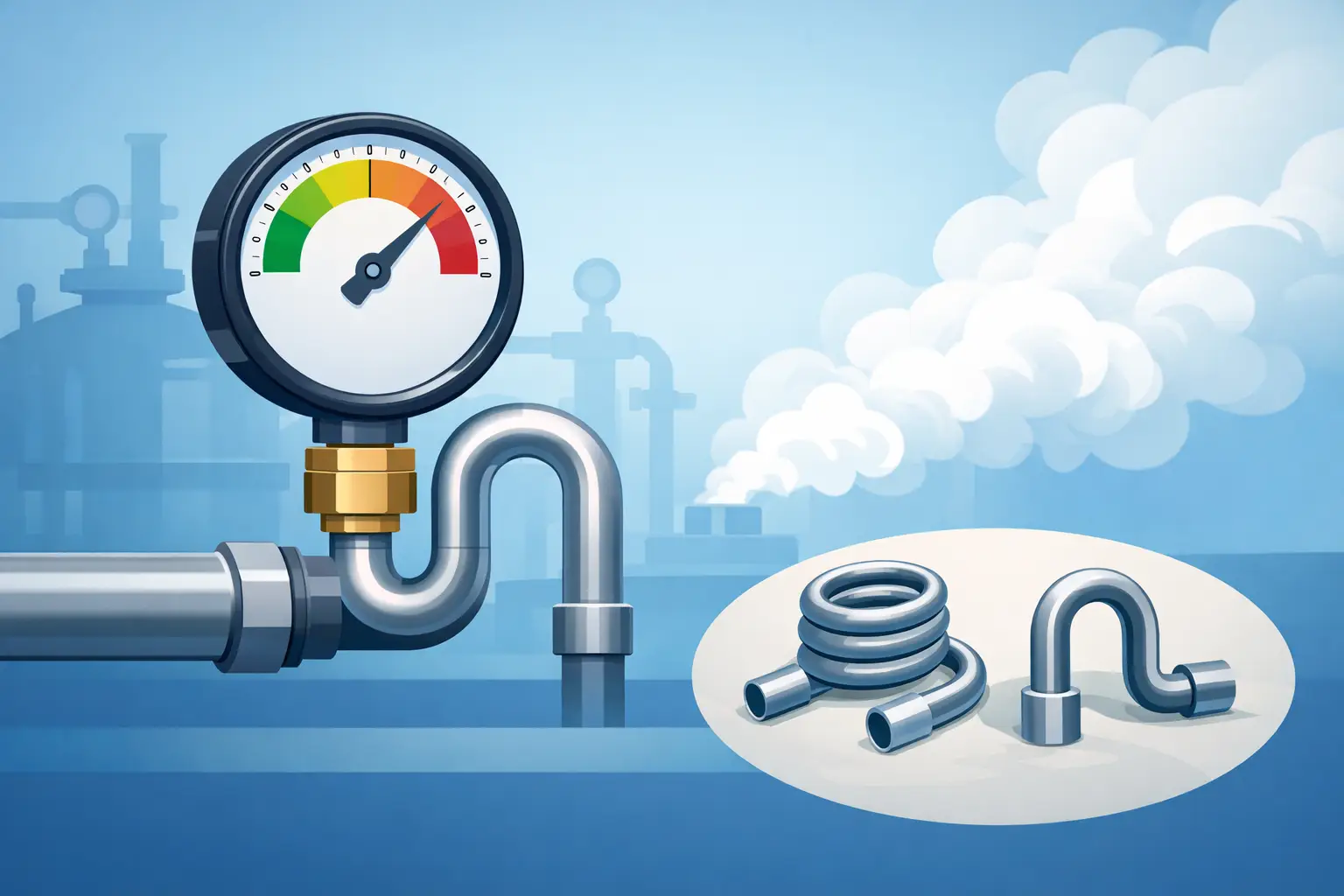
Pressure Gauge Syphon Selection for Steam Service
Select a pressure gauge syphon for steam service by matching coil design, material, connection, gauge range, and installation practice in plant service.
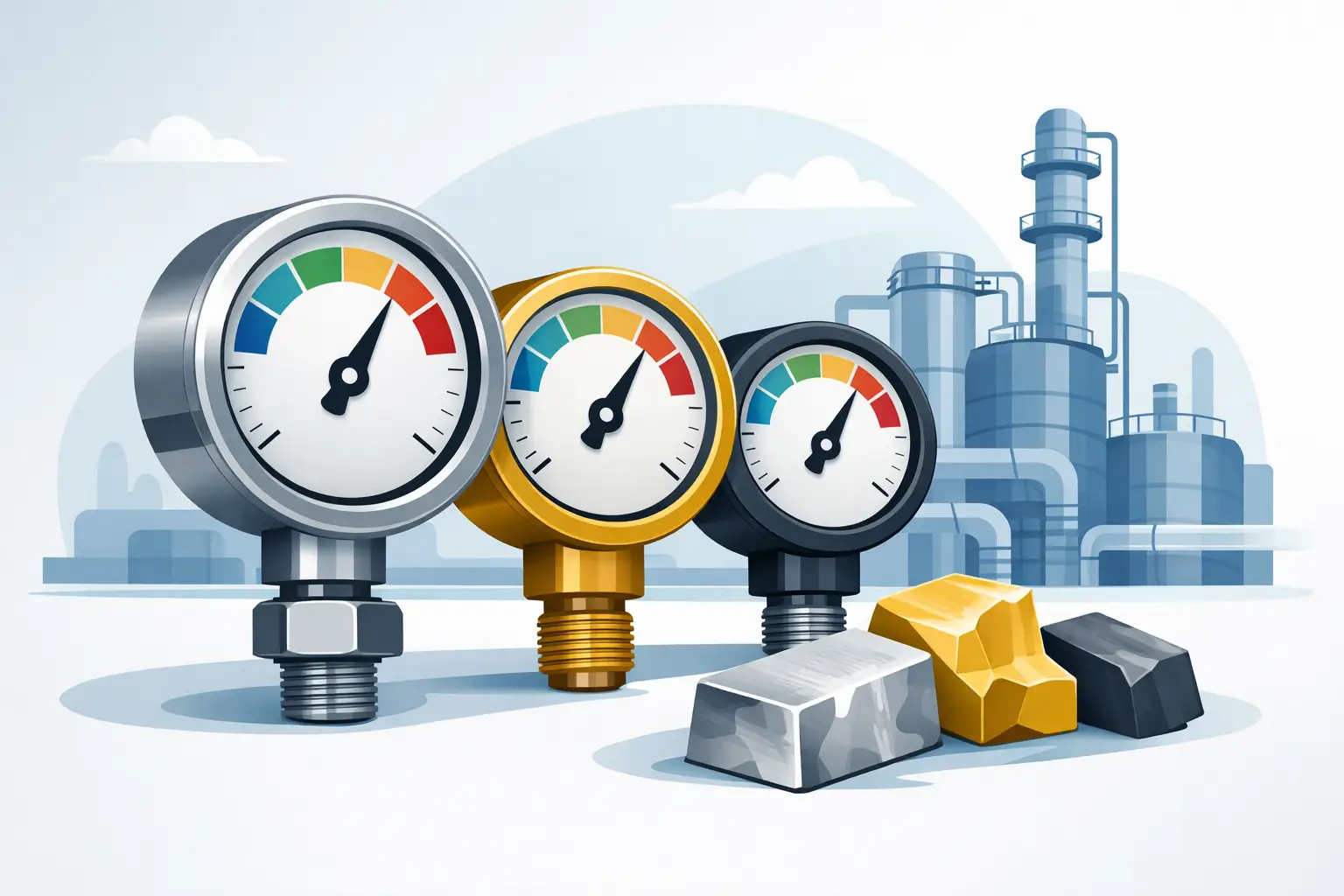
Best Pressure Gauge Materials for Industrial Service
Compare the best pressure gauge materials for industrial service, including brass, stainless steel, Monel, and wetted parts matched to process fluids.

Industrial Gauge Siphons for Steam Service
Industrial gauge siphons protect pressure gauges from high-temperature steam, helping maintain accurate readings and extending instrument service life.

Authorized Instrumentation Distributor Benefits
Authorized instrumentation distributor benefits include verified products, application support, and reliable sourcing for critical measurement systems.
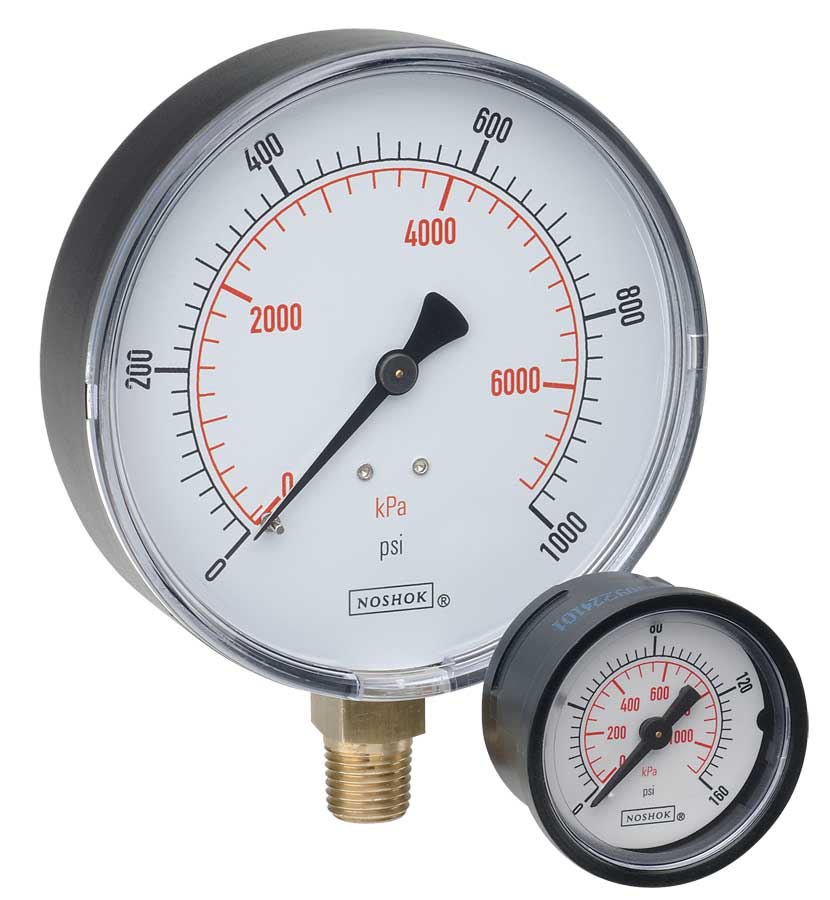 NOSHOK ABS & Steel Dry Pressure Gauges 100 series
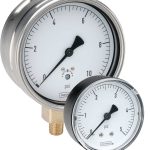 NOSHOK Low Pressure Dry Pressure Gauges-( 200 series)
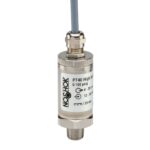 NOSHOK PT40 Series High Accuracy Transmitters-Replaces 100,200,615 series